

Seven Steps to Implement Better Safety Training
How to Get the Best Returns From Your Safety Training Program. In addtion to their social costs, workplace injuries and illnessed have a major impact on an employer's bottom line. Its estimated that collectively employers pay almost $1 billion per week for direct workers' compensation costs alone. Safety training isn’t usually an employee’s favorite thing to do. In fact, employees might rather get a root canal than sit through one more hour-long lecture that is a repeat of the week/month/year before; or read yet another training manual that’s packed with technical jargon, old policies & procedures, and pictures with 80s [...]

Sweating and Job Hazards
Most people wouldn’t consider sweating to be an occupational hazard, but there are some serious safety and health issues involved with this natural process, which allows the human body to cool itself. Let’s look at some of the potential job hazards associated with sweating, and what workers can do to minimize those risks. Heat stress: When people exert themselves physically, they tend to start sweating, and this is particularly true if workers are toiling in hot and humid conditions. If people are not continually drinking water and taking periodic rest breaks in the shade, they can develop serious heat illness. [...]

Employee & Manager HR Course Catalogue
SAFETYNOW SafetyNow is an e-learning solution that makes your employees safer and more productive. It’s engaging modern, easy-to-use, easy-to-implement and will quickly set your employees on a path of success. Done with boring, old, yawn-inspiring safety training? Get with streamlined, simple, engaging safety training that works and doesn’t suck. SAFER WORKERS COST LESS. SAFER WORKERS ARE MORE PRODUCTIVE. Click Here to Download the Employee & Manager HR Course Catalogue

General Safe Work Practices for Portable Powered Tools
Your company should have some established safe work practices for the safe use of portable powered tools based on your jurisdiction’s requirements. Safe work practices should address the following issues: Disconnection of Tools All tools should be disconnected when they’re not being used, during servicing and for repairs and maintenance like changing blades or tips. Most power tools are what are called “cord and plug” meaning they can be completely de-energized by unplugging them from the outlet. So, while you don’t need a LOTO program for this, you do need to ensure that the person working on the tool keeps [...]

How to Save Money on Workers’ Compensation
How to reduce your risks, liabilities and costs while still keeping employees safe. Responsible business owners want their employees to be happy, healthy, and safe on the job. However, we are all aware that accidents can sometimes occur. Workplace injuries and illnesses are costly. If you own a small business and have two or more employees, by law your business may have to carry Workers’ Compensation Insurance (It’s worth mentioning that in some states workers’ comp is mandatory and in others, it is not). In addition to their social costs, workplace injuries have a major impact on an employer's bottom [...]
Trench Safety a Rising Concern
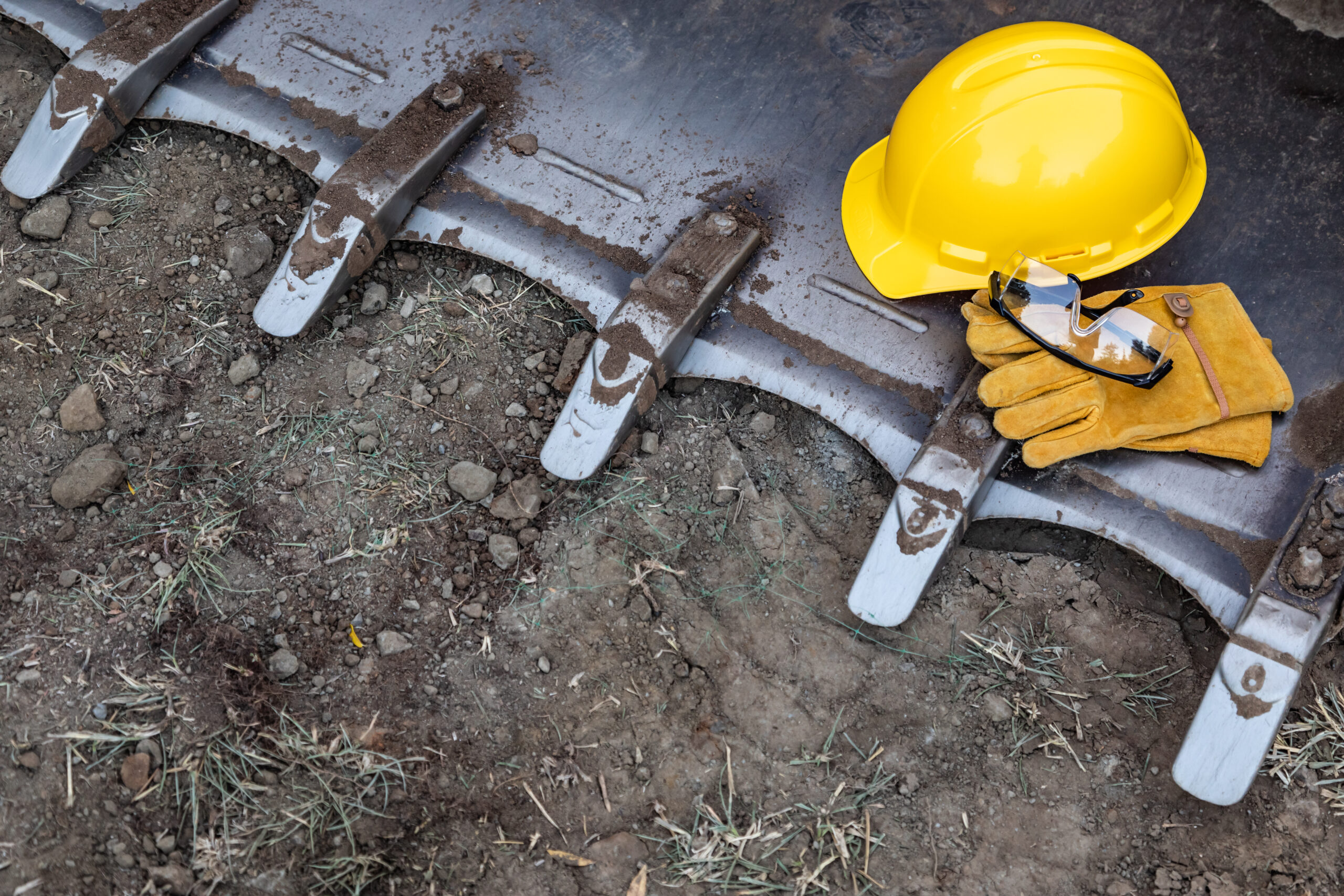
Working in an excavation or trench is one of the most dangerous jobs you’ll have. It’s so dangerous that on average, two workers in North America are killed every month in trench collapses. How Cave-Ins Happen Undisturbed soil stays in place because opposing horizontal and vertical forces are evenly balanced. When you create an excavation, you remove the soil that provides horizontal support. Soil will eventually move downward into the excavation. The longer the face (a side of the excavation) remains unsupported, the more likely it is to cave in. Workers were digging a trench at an abandoned motel, preparing [...]

Heat Wave Conditions Require Heat Stress Protections
With record temperatures in the forecast, you need to remind your work crews of the dangers of heat stress. An estimated 220 workers in Canada and the US die annually from occupational heat stress. Trust me, this is the last thing you want for any of your own workers. Educating Workers about Heat Stress Heat illness doesn’t strike without warning. There are signs and symptoms associated with each of the various forms of heat illness—heat cramps, heat exhaustion and, most dangerous of all, heat stroke (we’ll refer to these illnesses collectively as “heat stress”). The problem is that supervisors and [...]

Focus on Lightning Safety Practices
Did you know you can still be struck by lightning even when the center of a thunderstorm is 10 miles (16 kilometers) away? No place outside is safe when thunderstorms are in your area, according to the National Oceanic & Atmospheric Administration (NOAA) National Weather Service. “When thunder roars, go indoors,” advises NOAA, adding that if you can hear thunder, lighting is close enough to strike you. Anyone working outdoors needs to immediately move to a substantial building with electricity or plumbing or an enclosed, metal-topped vehicle with windows up, and stay inside that shelter for at least 30 minutes [...]

Using Incentives and Rewards
Training is important. It helps people succeed at their jobs, becoming more efficient and effective in the workplace. There are those people who are self-motivated and make the time for training on their own. It’s all too easy for the rest of us to push training aside or rush through it without retaining the information. IT’S ALL ABOUT MOTIVATION In our increasingly busy world, it can be challenging to get people to actually show up to training, let alone retain the information. How do you get people to be present and engaged? Incorporate training incentives to give people the extra [...]

Worker’s Memorial Day
Every year, on April 28, the world recognizes Workers Memorial Day. Today is the day we pay our respects to those who lost their lives on the job, and recognize the impact of these tragic losses on the families, co-workers, and communities of those we have lost. As we navigate our way out of the COVID pandemic, this year, like last, is especially somber given the increasing number of essential workers who put their lives on the line during the pandemic, some of whom got sickened and/or died. They were not all healthcare workers, many were grocery clerks and stock [...]
You Recognize Hazards in the Workplace But What are You Doing About Them?
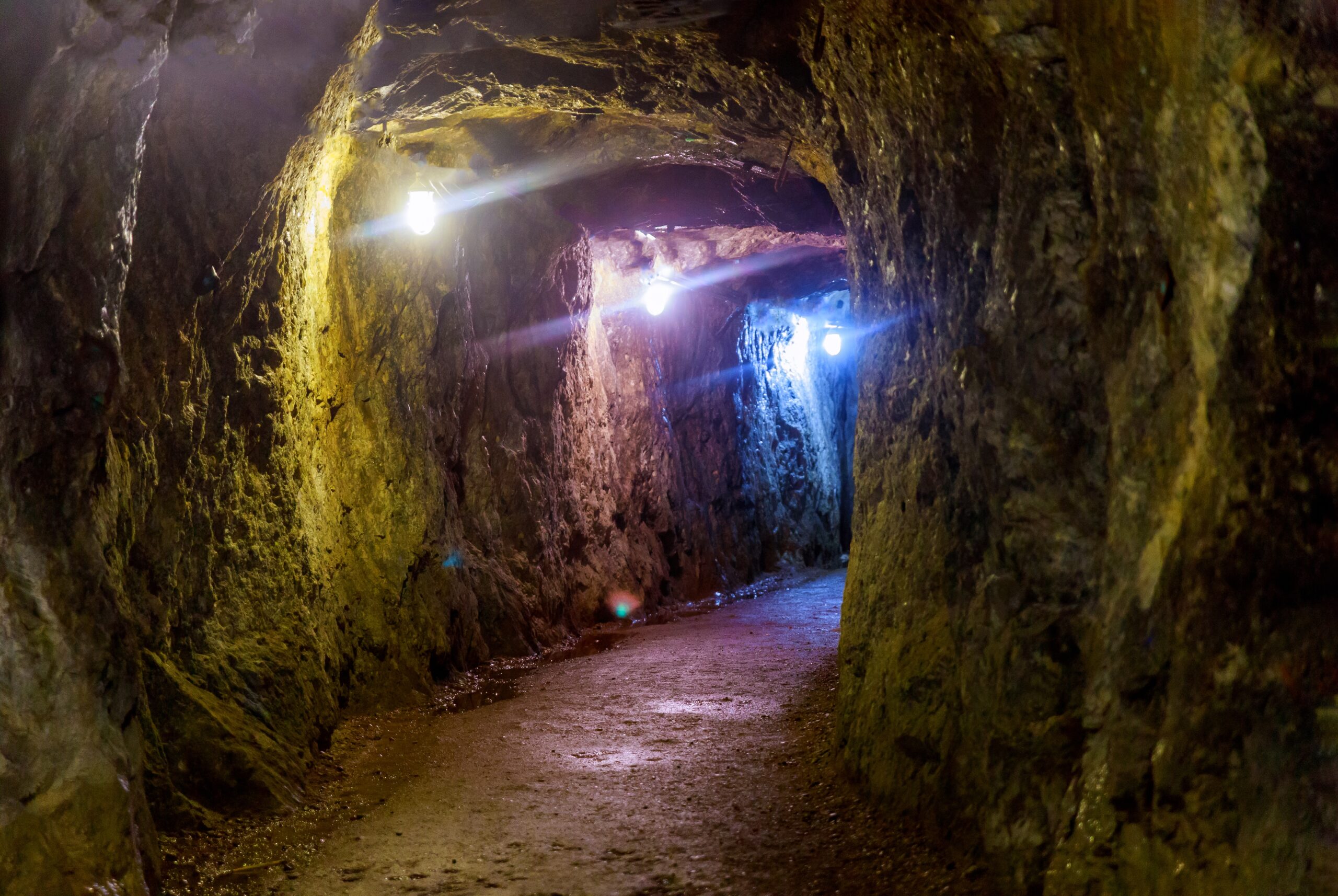
30 years ago, the so-called Westray affair was one of the worst workplace disasters in Canadian history. At 5:20 AM on May 9, 1992, an explosion tore through an underground coal mine in Plymouth, Nova Scotia. Fires started. The ground above collapsed. None of the 26 miners inside the mine came out alive. What made it especially hard to take was that it was preventable. The mine operators knew that combustible methane gases were building up inside the mines but didn’t provide necessary ventilation or take other steps to abate the problem. Worse, the officials failed to warn the miners [...]

Raising the Temperature on Heat Exposure Training
Most areas are going to be entering their warmer summer months – and it’s not going unnoticed. Safety organizations like OSHA and Workers Compensation Boards are reminding industries to start training before it’s too late. According to the US Bureau of labor statistics, fifty-seven deaths occurred to workers ages 55 to 64 from 2011 to 2019. During that period, 144 workers died from environmental heat exposure while they were engaged in construction, repair, or cleaning, and 54 workers died while conducting materials handling operations. It's easy to assume that most people use common sense when the temperature starts to rise [...]
