
-
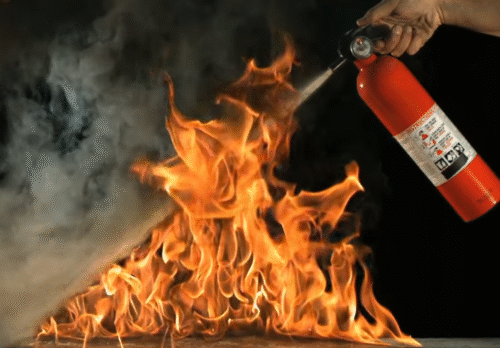
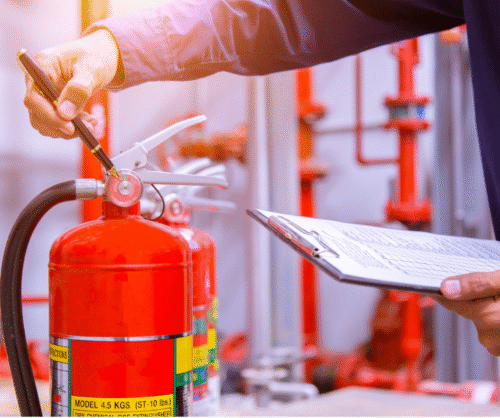 One of the most reliable ways to put out fires in the workplace is fire extinguishers. Although they are not a requirement, employers who choose to use fire extinguishers must train workers in general fire extinguisher use to comply with standards.
 -
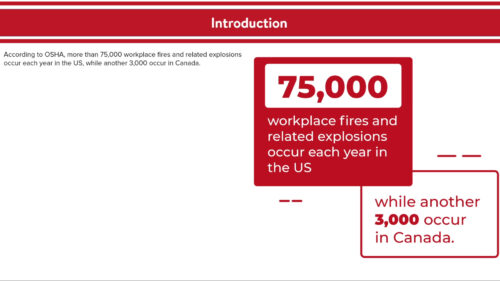
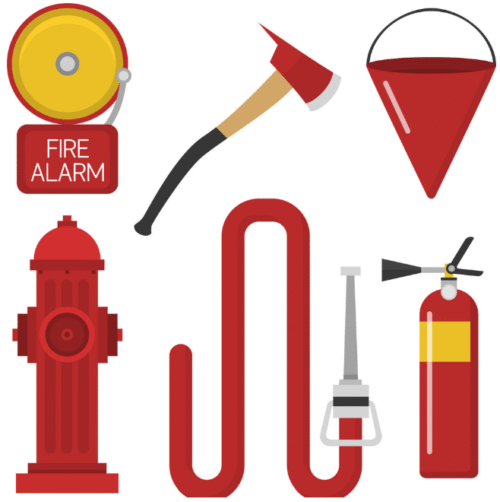 This course covers, the elements and dangers of fire, regulatory requirements for fire prevention plans, housekeeping guidelines for fire prevention, emergency exits and their components, and actions to take in response to a fire alarm.
 -
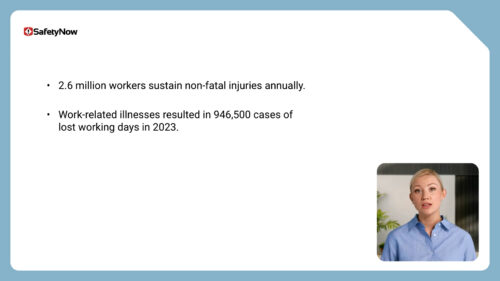
 After completing this course, learners will be able to explain initial responder responsibilities, identify legal and ethical issues related to being a first responder, and explain when it is appropriate to move injured patients and how it should be done.
 -
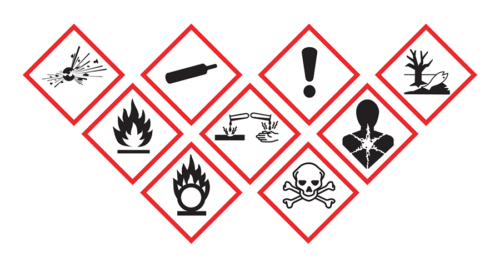 This course details the purpose of a hazard communication program and Safety Data Sheets, physical and health hazards of chemicals, labels and warnings used to identify chemical hazards, and information and training that should be supplied by an employer.
 -
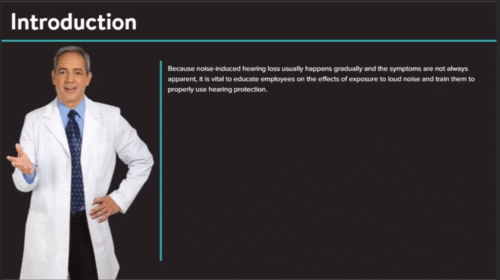
 Sometimes people take hearing for granted. Picture yourself unable to hear. Visualize how your life will be changed. It is important to learn about noise hazards and how to protect yourself against noise hazards.
 -

 After completing this course learners will be able to identify heat related hazards, types of heat illnesses (heat stroke, heat exhaustion, heat rash, etc.), symptoms and treatment of heat related illnesses and how to protect against heat stress.
 -

 Upon completion of the course learners will understand common hazards of ladder use, recognize types of ladders, requirements for use, fall prevention techniques, and how to inspect ladders before and after use to ensure safe use.
 -

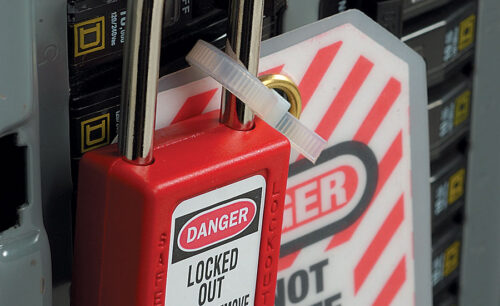 Workers injured on the job from exposure to hazardous energy lose an average of 24 workdays for recuperation. This course covers the purpose of LOTO, locks and tags and their use, and the differences between authorized, affected and other employees.
 -
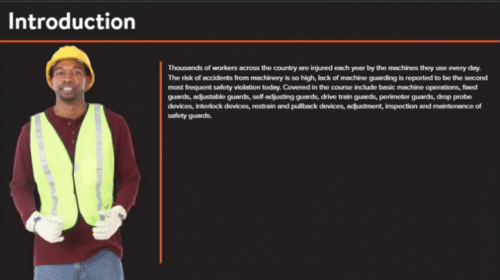
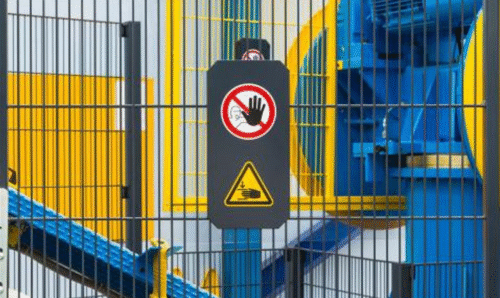 Workers who operate and maintain machinery suffer approximately 18,000 injuries and over 800 deaths per year. Machine safeguards are your first line of defense against injuries caused by moving machines.
 -
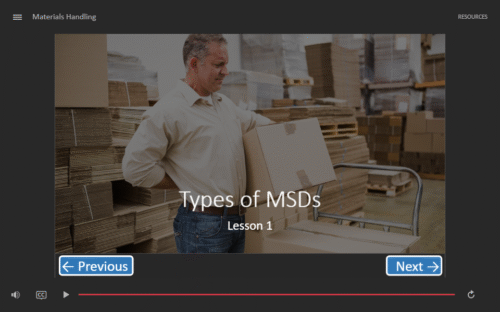
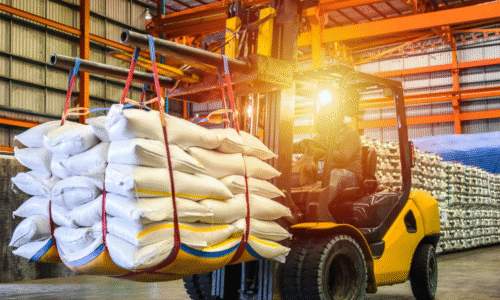 This lesson will discuss techniques and methods that can be implemented in any workplace to reduce the risk of back pain. Materials handling is fundamental and can't be avoid, but with the proper skills it doesn't have to be a workplace hazard.
 -
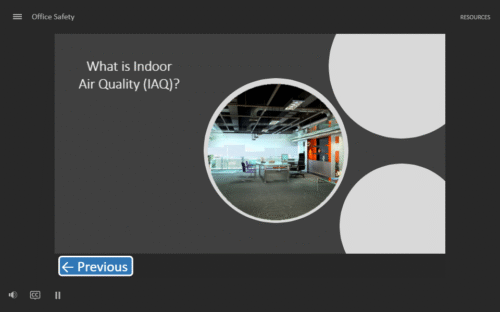
 Office employees need to know what to do in case of an emergency, and accidents are surprisingly common. This course will educate you on the importance of office safety.
 -
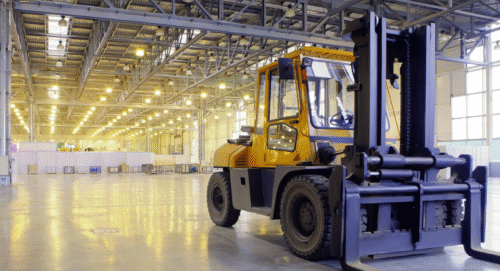 For safety professionals, work involving industrial trucks and similar vehicles presents issues of serious liability, and concerns that must be mitigated through workforce training and testing for competency.
Your success is our objective.
Our mission is to help as many organizations as we can to keep their employees safe & productive. We’ve been doing it for almost 100 years and hopefully, we’ll be doing it for 100 more.
Sign-up for our newsletter
Sign-up for our daily safety alert

USA office
428-1234 Main Street
Oroville, WA 98844
United States
Canada Office
104-2510 Government st
Penticton – V2A4W6
Canada
say hello
© 2012 - 2026© Copyright 2025 | SafetyNow | All Rights Reserved | Powered by Bongarde | Privacy Policy | Terms & Conditions