
-

 Computers do carry threats from a variety of sources, which can jeopardize the work you do and the content you create.
 -

 Discrimination in the workplace happens when an employee or group of employees is treated less favorably than similarly situated employees of a different race, sex, age, national origin, religion, genetic makeup, etc.
 -
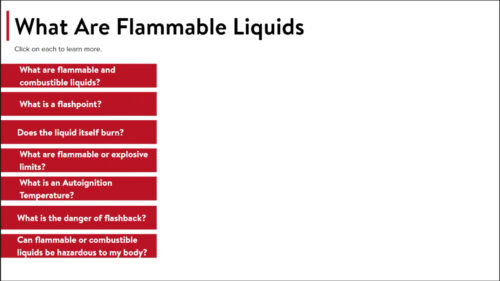
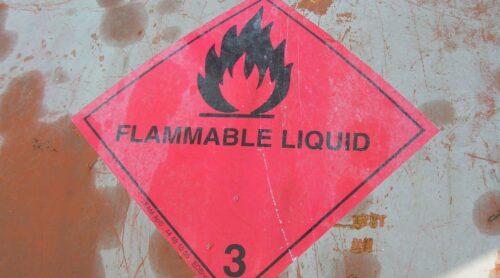 This course will cover flammable liquid safety including emergency evacuation, Use of portable fire extinguishers, spill response procedures, use, handling practices, procedures (including storage and transfer), area limitations such as no-smoking rules, open-flame rules, etc., ventilation systems, housekeeping procedures and special concerns.
 -

 Employees will understand the different types of power tools and be able to recognize different types of tools, identify hazards of use, and recall safe work procedures.
 -
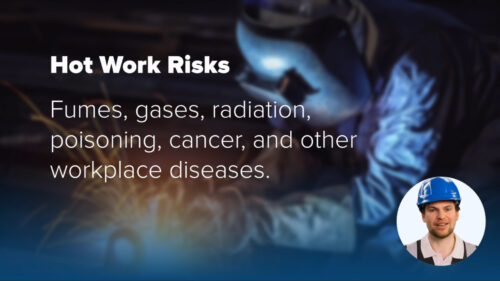
 This course covers the hazards of hot work, requirements for performing hot work, equipment and precautions to ensure the safety of hot work employees, and safety practices for arc welding and cutting and oxygen-fuel gas cutting and welding.
 -
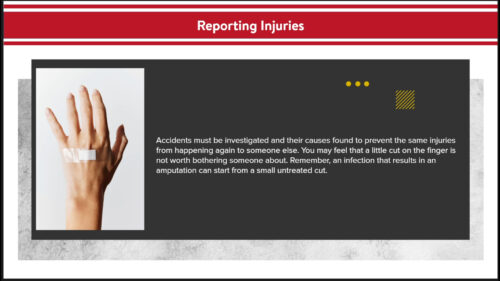
 This course covers the purpose and benefits of incident investigations and investigation methods, as well as common practices for information gathering and documentation, and tools for determining root cause and implementing corrective actions.
 -

 Poor ergonomics can cause pain and injury. This course covers the purpose of ergonomics, common ergonomic problems and their signs and symptoms, and how changes in habits and workspace arrangement can reduce ergo related problems.
 -
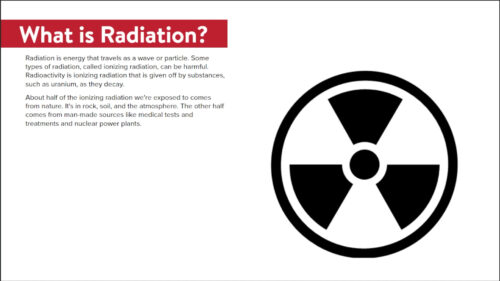
 Exposure to radiation in laboratories must be monitored and mitigated with appropriate safety precautions, because there is a risk for radiation poisoning. Although, proper Personal Protective Equipment (PPE) and knowledge of appropriate safety measures, laboratory environments can limit the likelihood of exposure for students and staff.
 -
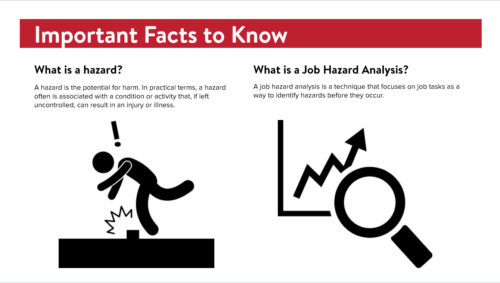
 This course is meant to teach learners how to identify potential hazards in the workplace using various hazard identification tools, with the goal of preventing incidents from occurring.
 -
 In non-production laboratories, chemicals pose physical health hazards to workers, which is why they are the number one concern for laboratory employees. These employees will likely be exposed to compounds of certain volatile chemicals.
 -

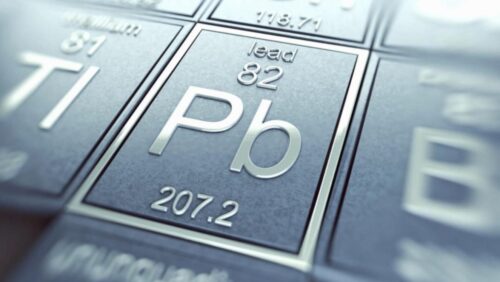 Even a little lead poisoning can cause serious health problems, and at very high levels, it can be fatal. Almost 95% of elevated blood lead levels among adults are work-related. Upon completion, you will recall hazards and health effects of lead exposure, ways to determine if there is lead in your workplace, and how to control lead exposure.
 -
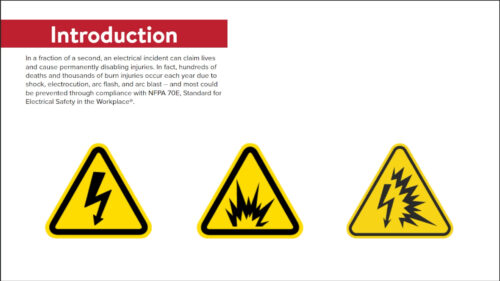
 This course covers electrical regulations, arc flash/arc blast hazards, arc flash risk analysis, flash protection and approach boundaries, PPE and levels of protective clothing, and safe work practices to protect workers around live and exposed parts.
Your success is our objective.
Our mission is to help as many organizations as we can to keep their employees safe & productive. We’ve been doing it for almost 100 years and hopefully, we’ll be doing it for 100 more.
Sign-up for our newsletter
Sign-up for our daily safety alert

USA office
428-1234 Main Street
Oroville, WA 98844
United States
Canada Office
104-2510 Government st
Penticton – V2A4W6
Canada
say hello
© 2012 - 2026© Copyright 2025 | SafetyNow | All Rights Reserved | Powered by Bongarde | Privacy Policy | Terms & Conditions