
-
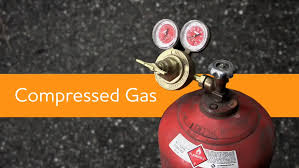
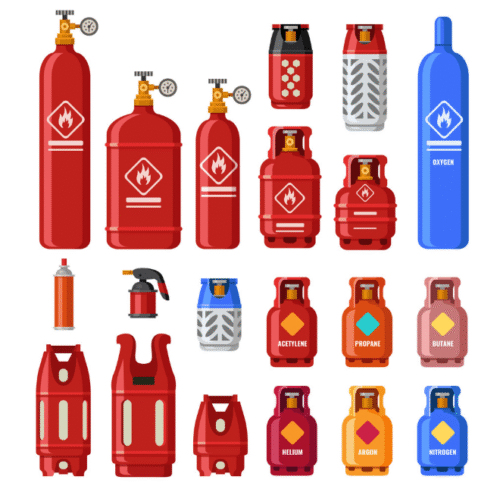 In order to recognize the hazards posed by compressed gas cylinders, you must first be able to recognize the specific parts of the cylinder and have a general knowledge of how these things work. Compressed gas cylinders can pose the hazard of an explosion when the metal pressure vessel fails. A common factor in that scenario is the misuse or abuse of the cylinder or valve while it is under pressure. Another hazard is the sudden release of pressure from the cylinder, as mentioned above. The purpose of this lesson is to address the hazards inherent in compressed gas and provide best practices for using, moving, and storing compressed gas containers.
 -
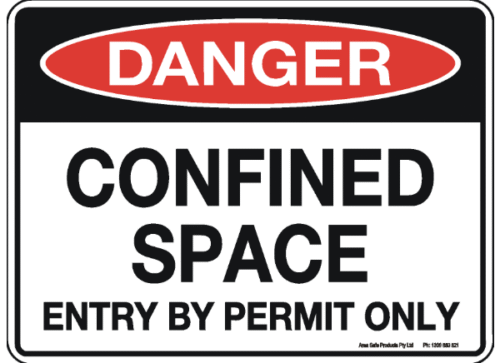
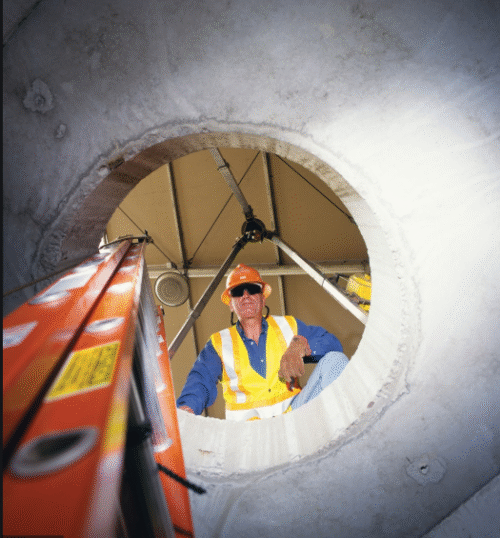 The goal of this lesson is to educate general industry employees who enter, supervise entry or attend the entry of a confined space about the practices and procedures necessary to protect employees from the hazards of permit-required confined spaces.
 -
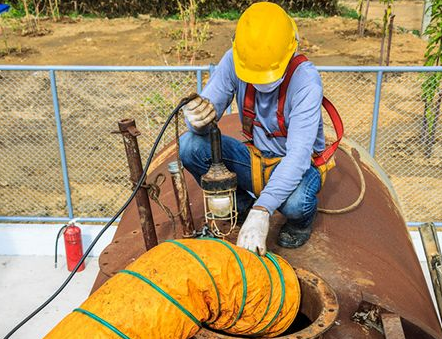
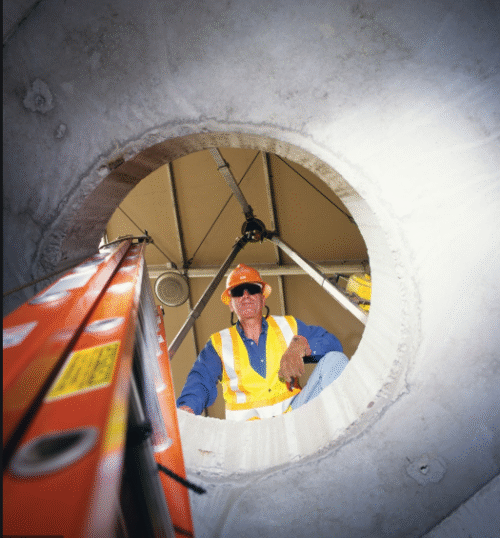 This lesson educates all general industry employees about the existence of confined spaces, the type of hazardous conditions that can be present in them, and the basic requirements for entry into permit-required confined spaces.
 -

 This lesson familiarizes employees that drive as part of their work with the hazards of driving and methods that will protect them from potential driving crashes.
 -
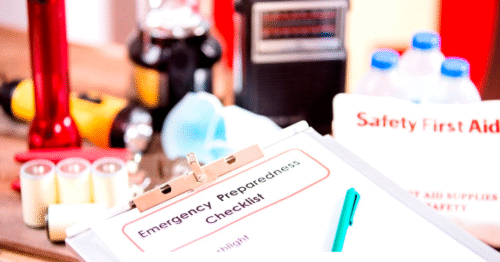
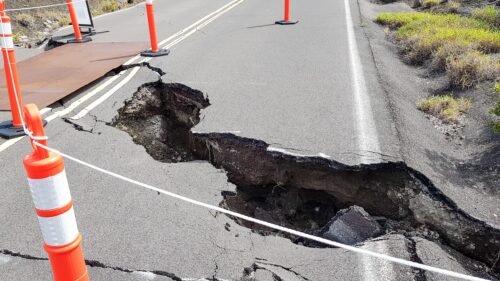 This lesson provides information on the dangers of earthquakes in the workplace and the actions you should take to prepare in advance of a quake. It also teaches you what to do during and after a quake to reduce the risk of injury.
 -
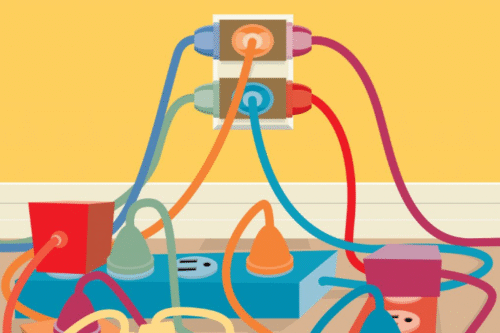
 The goal of the lesson is to provide an overview that prepares workers to work safely with and around electricity. This lesson does not address arc-flash hazards and controls, lock-out/tag-out procedures, or high voltage (220V or 440V) electrical safety.
 -
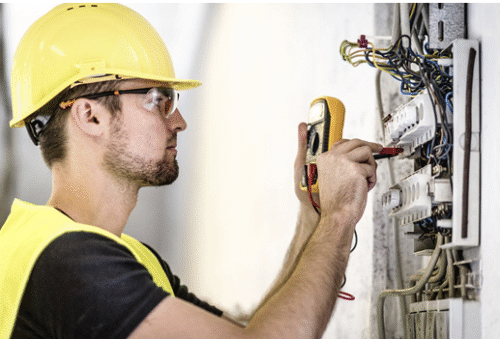
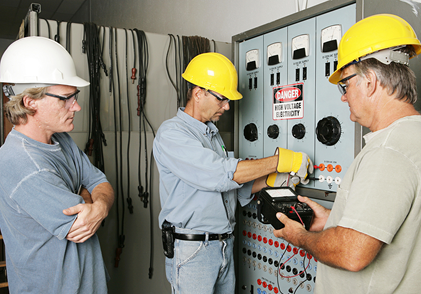 Electrical safety training is important and often required workplace safety training. Electrical safety training does not make you or your employees a licensed electrician. Rather it teaches you limitations as an unlicensed person and how to identify unsafe conditions so you don’t become a statistic. Electricity is everywhere, so reliable and useful these days that it is often taken for granted, and it is somewhat shocking how little is actually understood about its properties by the general public, another reason why electrical safety training is important.
 -
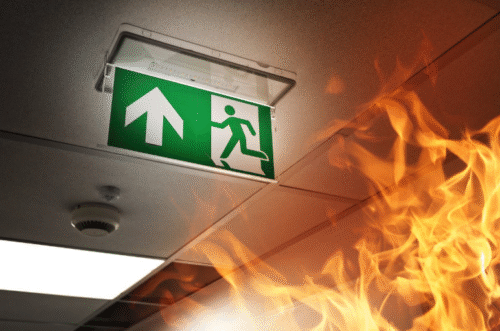
 This lesson creates awareness about the dangers of fire and other emergencies, provides an overview of the requirements for emergency action and fire prevention plans, and touches on best practices for responding to alarms and practicing preparedness through drills. This lesson does not cover how to prepare for hazardous waste material emergencies or responses such as cleanup.
 -
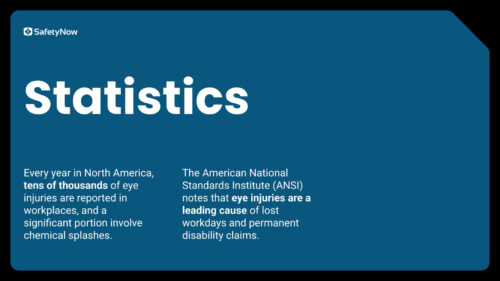
 This course will cover how important knowing where your companies eyewash or safety shower is, how they work, how to use them and what to do after.
 -

 This lesson discusses the issues and consequences of fatigue, complacency, and stress in the workplace and provides guidance on techniques employed to mitigate these issues and their effects on worker performance and safety.
 -

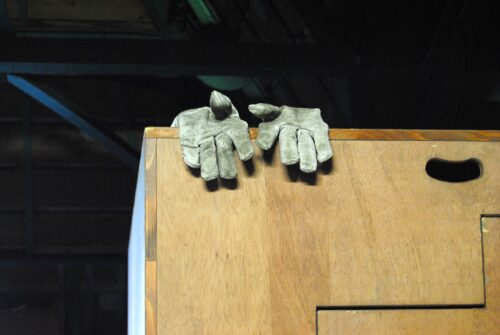 The purpose of this course is to learn to identify common workplace hazards to the hands, learn about methods and devices used to prevent hand injuries and be able to describe the differences between various types of gloves used in the workplace.
 -
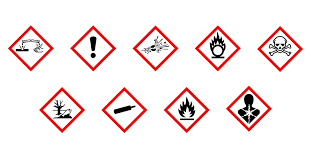
 The goal of this lesson is for employees to recognize and understand how to identify chemical hazards using the GHS international classification of chemical hazards, label elements, and Safety Data Sheets. This lesson does not address the use of labels, markings or other communication methods that are employer or facility-specific and not within the scope of this lesson.
Your success is our objective.
Our mission is to help as many organizations as we can to keep their employees safe & productive. We’ve been doing it for almost 100 years and hopefully, we’ll be doing it for 100 more.
Sign-up for our newsletter
Sign-up for our daily safety alert

USA office
428-1234 Main Street
Oroville, WA 98844
United States
Canada Office
104-2510 Government st
Penticton – V2A4W6
Canada
say hello
© 2012 - 2026© Copyright 2025 | SafetyNow | All Rights Reserved | Powered by Bongarde | Privacy Policy | Terms & Conditions