
-
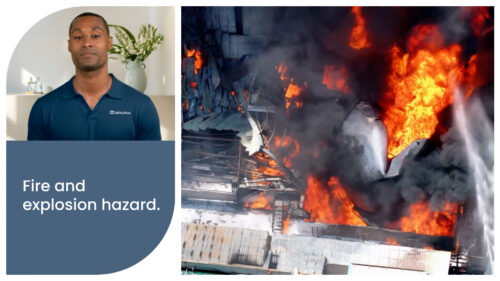
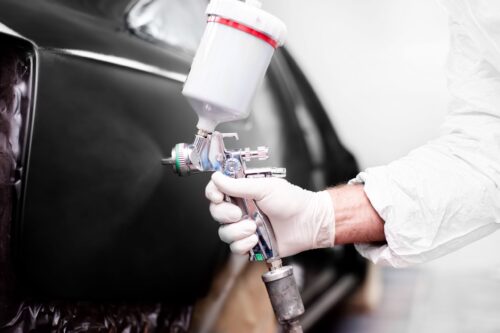 This course will cover what spray finishing is, the hazards associated with it, controls and ventilation and more.
 -
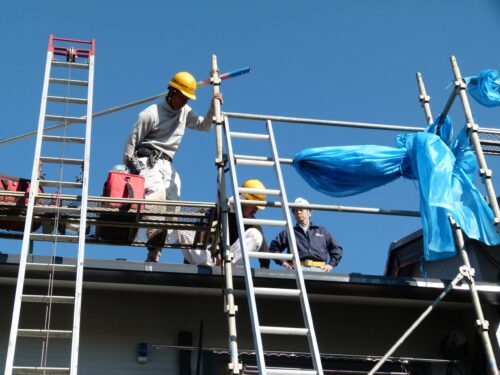 As simple as using a ladder seems to be, the injury statistics indicate that it is one of the most abused tools we have. Accidents, particularly in the domestic setting, are frequently caused by overreaching or overextending from ladders to complete certain tasks, rather than doing the safe thing—climbing down and moving to a better access point. OSHA studies have shown that 100% of ladder related accidents could have been prevented using proper safety. The goal of this lesson is to provide awareness-level instruction on ladder hazards, safe use requirements, and best practices for all employees.
 -

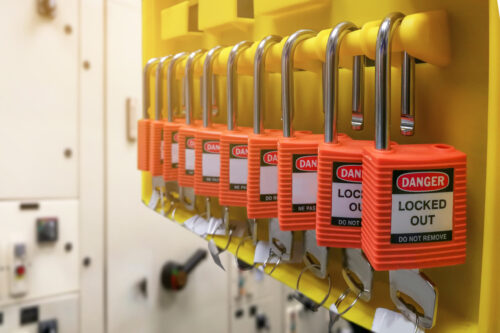 This Lock and Tag lesson creates awareness about the purpose of lock and tag procedures and employee roles and responsibilities related to lock and tag requirements. The lesson provides an overview of the hazards of uncontrolled energy sources and employer responsibilities and requirements for lock and tag. It also briefly outlines steps to protect workers.
 -
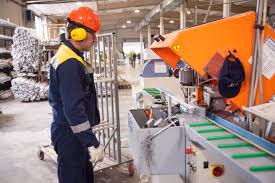
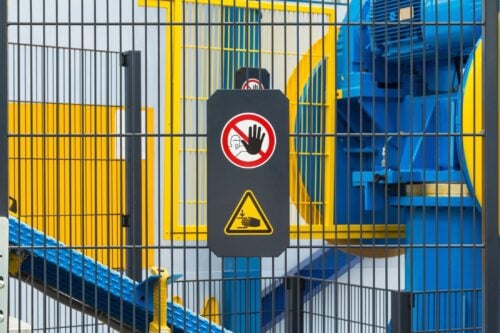 This lesson will help you recognize the hazards associated with machinery use, the methods of machine guarding, the different types of machine safeguards, and your responsibilities when working with guarded machinery.
 -
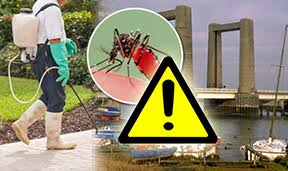
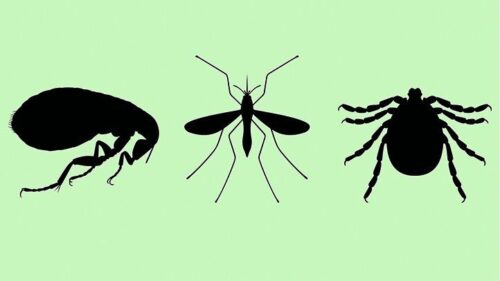 In this lesson, you will learn about the most-common vector-borne diseases and how you can avoid exposure and infection. You will learn general treatment guidelines; however, any treatment-related information provided in this lesson does not constitute medical advice and is not a substitute for evaluation by a qualified healthcare professional.
 -
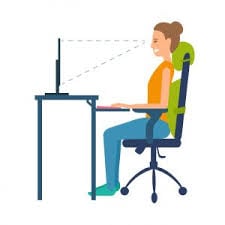
 This lesson introduces the concept of ergonomics in a general industry office setting, brings awareness to the most common cumulative trauma disorders (CTDs), explores strategies to prevent or control CTDs and identifies the basics of an office ergonomics safety program.
 -
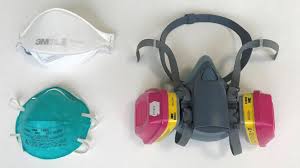
 The goal of this lesson is to teach workers the purpose of respirators and the preparations, maintenance and storage requirements. Workers will also learn when it is permissible to leave a respirator use area, the warning signs that a respirator is not functioning properly, and how respirator emergencies and malfunctions should be handled.
 -

 The goal of this lesson is to enable learners to recognize basic types of supported and suspended scaffolds and their capacity requirements, their basic design and construction requirements, and the basic hazards posed by scaffold work and their controls.
 -

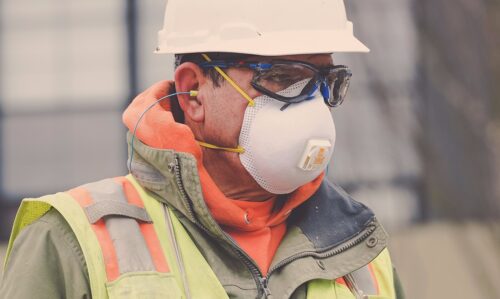 This lesson is designed as an intro/refresher to our Silica Hazards course in order to improve the safety of workers in environments where silica exposure hazards exist by increasing employee awareness of this hazard and by demonstrating how the hazard can be recognized and addressed in the workplace.
 -
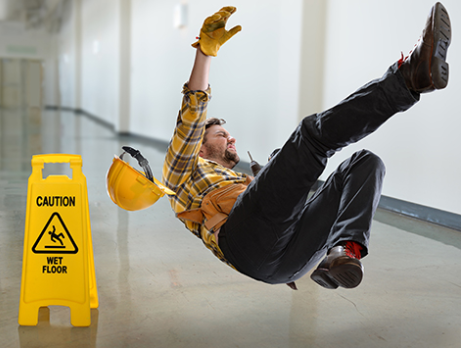
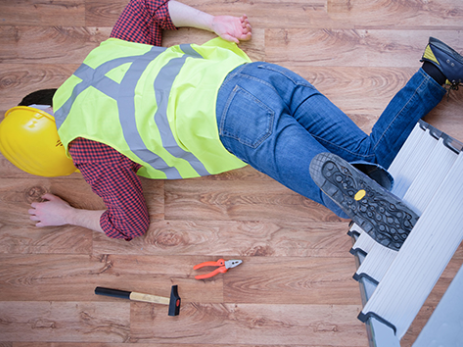 Recent statistics from the Congressional Accountability Office of Compliance indicate that employee falls are private industry’s third leading cause of workplace fatalities. Around 600 workers die from a fatal slip, trip, or fall, each year. This overview of slips, trips, and falls helps reinforce good behaviors for workers on how and where to avoid areas where these hazards can reside.
 -

 This lesson describes the hazards and warning signs of a tornado and the actions to take in the event of a tornado-related emergency.
 -
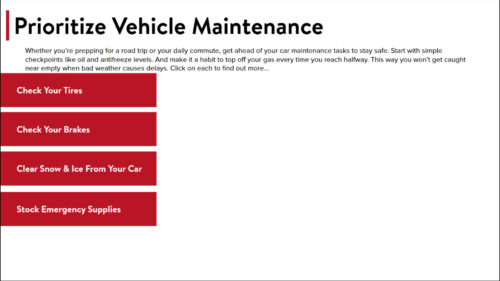
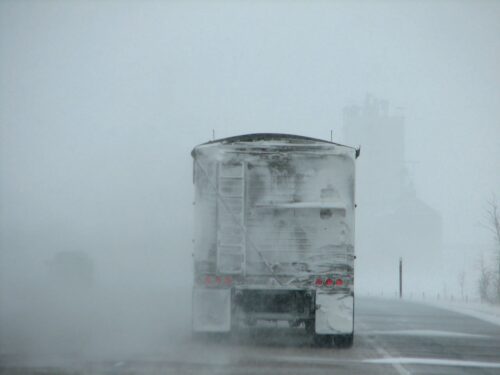 The best way to stay safe during winter driving conditions is to avoid them altogether. If it’s possible for you to avoid driving in the snow and ice, stay put. But hunkering down isn’t always an option. If you have to hit the road when it’s snowy, icy, or wet, make sure both you and your car are prepared for safe winter driving.
Your success is our objective.
Our mission is to help as many organizations as we can to keep their employees safe & productive. We’ve been doing it for almost 100 years and hopefully, we’ll be doing it for 100 more.
Sign-up for our newsletter
Sign-up for our daily safety alert

USA office
428-1234 Main Street
Oroville, WA 98844
United States
Canada Office
104-2510 Government st
Penticton – V2A4W6
Canada
say hello
© 2012 - 2026© Copyright 2025 | SafetyNow | All Rights Reserved | Powered by Bongarde | Privacy Policy | Terms & Conditions