
-
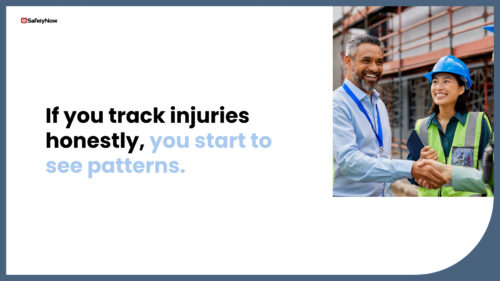
 Recordkeeping isn’t just paperwork. It’s about transparency, accountability, and using information to make workplaces safer. This course will help you understand exactly what needs to be recorded, what doesn’t, how to do it correctly, and why it matters far beyond avoiding a fine.
 -

 State regulations define sexual harassment as unwanted sexual advances, or visual, verbal or physical conduct of a sexual nature. This definition includes many forms of offensive behavior and includes gender-based harassment of a person of the same sex as the harasser. This course will cover important information for employees including What is Harassment in California, the Fair Employment and Housing Act, Title VII Civil Rights Act, the Ralph Act, Discrimination, What Constitutes Sexual Harassment and much more.
 -
State regulations define sexual harassment as unwanted sexual advances, or visual, verbal or physical conduct of a sexual nature. This definition includes many forms of offensive behavior and includes gender-based harassment of a person of the same sex as the harasser. This course will cover important information for employees including What is Harassment in California, the Fair Employment and Housing Act, Title VII Civil Rights Act, the Ralph Act, Discrimination, What Constitutes Sexual Harassment and much more.
-
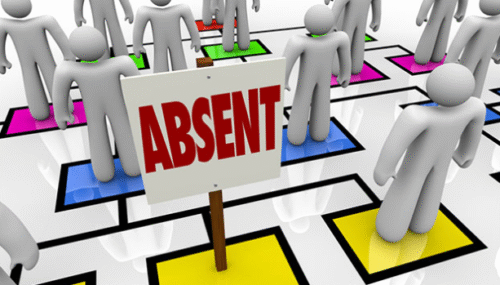
 Upon completing this course, learners will be able to identify laws for employee absences, recall FMLA requirements, and requirements for advance notice, medical certification, returning to work and provisions for job benefits and job protection.
 -

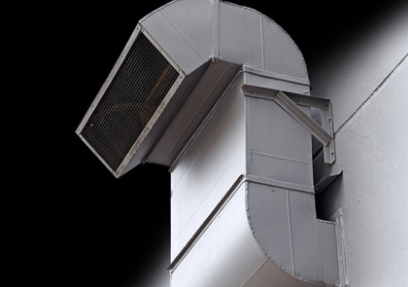 “Air pollution is a major environmental risk to health. By reducing air pollution levels, countries can reduce the burden of disease from stroke, heart disease, lung cancer, and both chronic and acute respiratory diseases, including asthma.” The Clean Air Act Amendments of 1990 were passed to reduce pollution and establish standards for industrial air emissions.
 -
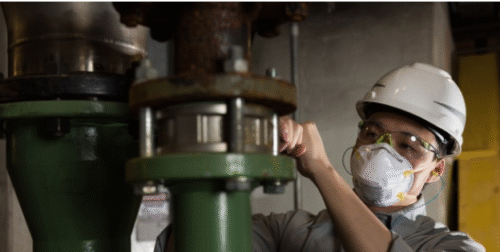
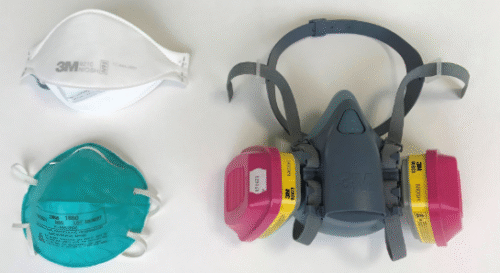 By the end of this lesson employees will know types of respiratory hazards and possible health effects, ways to minimize or eliminate hazards, qualifications for respirator use, types of respirators, selecting the right one, and proper respirator care.
 -

 Each year in the United States, there are approximately 3,500 people killed and 80,000 others injured in accidents involving Commercial Motor Vehicles (CMVs). Whenever you get the behind the wheel of a Commercial Motor Vehicle (CMV), your first responsibility is to drive safely. Because when a CMV weighing 10,000 pounds or more collides with a car weighing 4,000 pounds, the car almost always loses. So, the responsibility of driving a commercial motor vehicle is enormous. A recent study showed that the majority of crashes are caused by four types of undesirable driver behavior: recognition errors, decision errors, performance errors, and non-performance errors.
 -
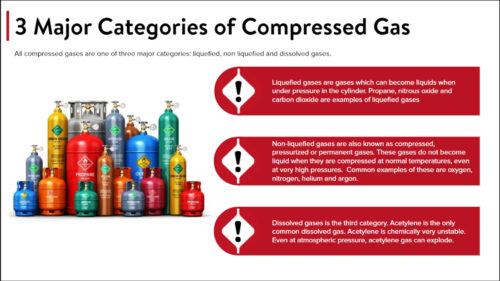
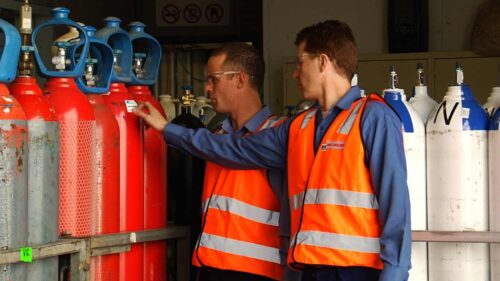 After completion, employees will be able to compressed gas cylinder hazards, recall practices to safely using compressed gas cylinders and their components, and identify safe methods of moving and storing compressed gas cylinders.
 -

 Cardiopulmonary resuscitation (CPR) is a technique used to slow the process of brain death by restarting the heart and getting a person breathing again. Cardiopulmonary Resuscitation (CPR) can provide oxygen to the brain and other vital organs of a person who, by every indication, is dead. Used early and correctly, the technique can buy time for the victim until medical attention can be given.
 -

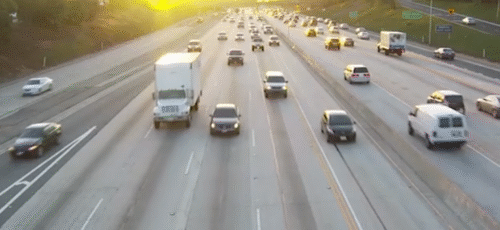 Every day in the U.S., 9 people are killed and more than 1,060 people are injured in crashes that are reported to involve a distracted driver. The cause for concern is obvious. Transportation related occupational fatalities are the number one cause of death in the American workforce. The purpose of this lesson is to heighten drivers’ awareness of the dangers of distracted driving and identify ways to stay safe when sharing the road with distracted drivers.
 -
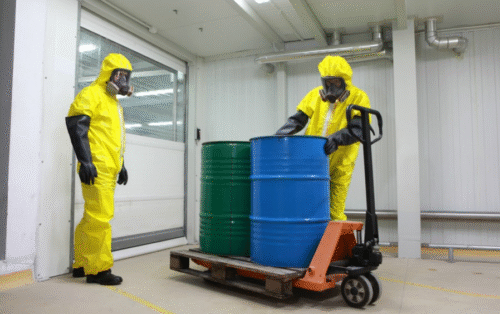
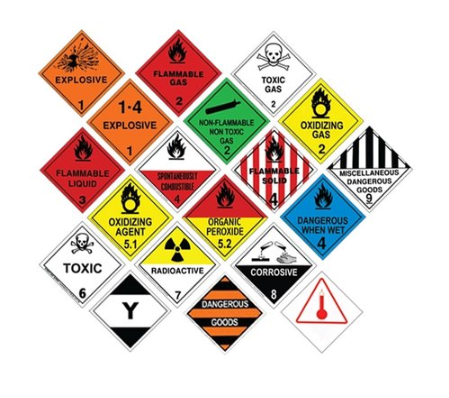 DOT Hazardous Materials General Awareness consists of five lessons, The goal of this library is to offer the required DOT awareness-level lessons that help save lives in high risk work environments, particularly those that involve transporting hazardous materials. The first lesson is DOT Fundamentals of Hazardous Materials. This lesson provides an overview of the hazardous materials transport process and introduces the learner to the many references used during that process.
 -
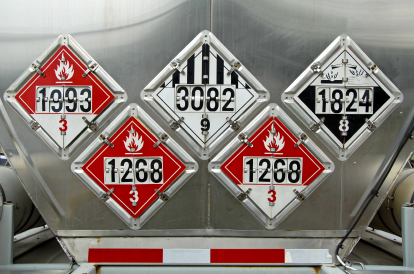 When on the road, job, and everywhere in-between, identifying hazardous materials and knowing exactly how to handle them is one of the most important tasks a worker must know. Because of the importance of identifying these hazardous materials properly, the U.S. Department of Transportation (DOT) requires all workers that handle these materials to take safety training in order to help protect themselves as well as others around them.
Your success is our objective.
Our mission is to help as many organizations as we can to keep their employees safe & productive. We’ve been doing it for almost 100 years and hopefully, we’ll be doing it for 100 more.
Sign-up for our newsletter
Sign-up for our daily safety alert

USA office
428-1234 Main Street
Oroville, WA 98844
United States
Canada Office
104-2510 Government st
Penticton – V2A4W6
Canada
say hello
© 2012 - 2026© Copyright 2025 | SafetyNow | All Rights Reserved | Powered by Bongarde | Privacy Policy | Terms & Conditions