
-
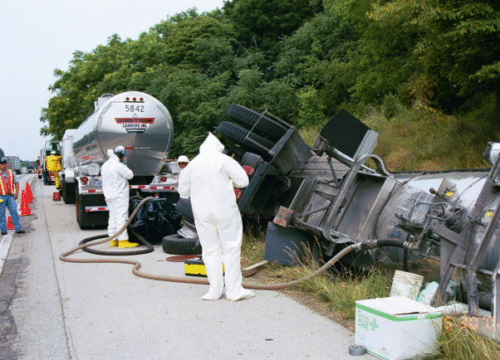
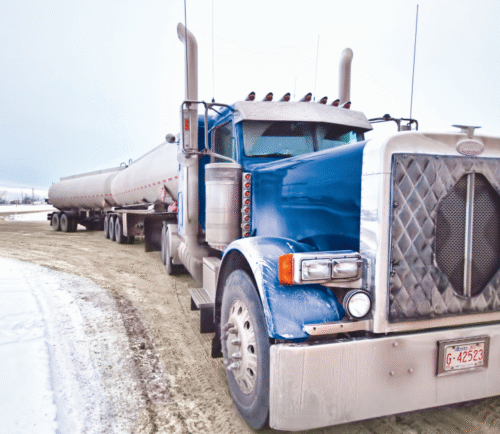 This is Lesson 5 of a five-lesson hazardous materials transportation awareness curriculum. The purpose of the lesson is to provide individuals who are involved with the transportation of hazardous materials with an awareness-level understanding of incident response and transport security.
 -
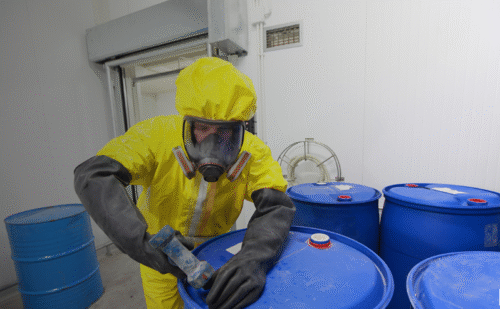
 DOT Packaging Hazardous Materials is part of our DOT Transportation library. It covers the steps for packaging a hazardous material, how to select appropriate hazardous materials packaging and how to determine and prepare required hazardous materials identifiers, including labels, markings, placards, and shipping papers.
 -
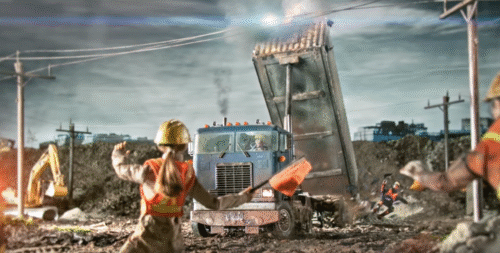
 This course enables employees to reduce workplace accidents involving electricity by learning to identify electrical hazards, take proper control measures and follow safe work practices, and response actions in the event of shock or fire.
 -
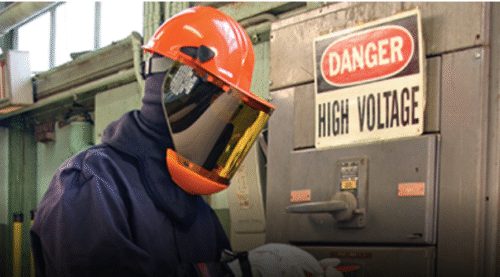
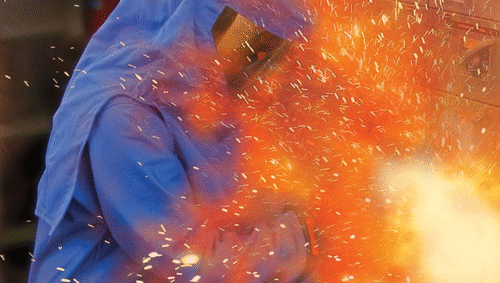 In this course, employees will learn how to safely work with and around electricity in the workplace. Additionally, they learn special requirements for dealing with arc flash.
 -

 According to the Environmental Protection Agency (EPA), “Hazardous waste is waste that is dangerous or potentially harmful to our health or the environment. Hazardous wastes can be liquids, solids, gases, or sludges. They can be discarded commercial products, like cleaning fluids or pesticides, or the by-products of manufacturing processes.” There is a growing awareness of the dangerous side effects of hazardous waste contamination. Years ago, many industrial plants discharged heavy metals and unstable organic compounds directly into streams or injected them into the earth’s subsurface through wells, causing illness in populations with close proximity to these toxic sites. This lesson teaches the industrial sources of land, air, and water pollution, the health dangers that environmental pollutants present, and the types of actions that industrial facility workers must complete in order to control industrial pollutants and respond to environmental incidents.
 -

 Power tool injuries account for as many as 400,000 emergency room visits each year. The use of tools enables us to work much more productively, but hand and power tools can expose workers to flying objects like sparks and metal and wood splinters, electrical shock, and sharp blades and loud noises.
 -
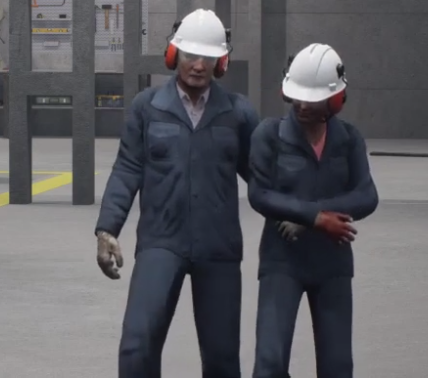 Occupational hand injuries account for more than one million emergency room visits per year. The first step in preventing hand injuries is to know the hazards involved in your job and how to avoid them.
 -
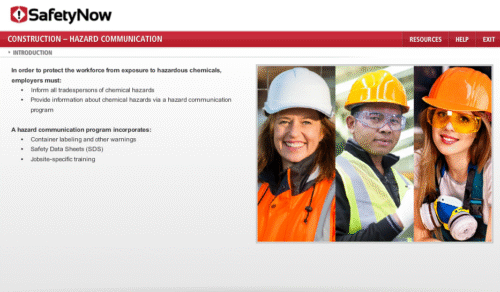
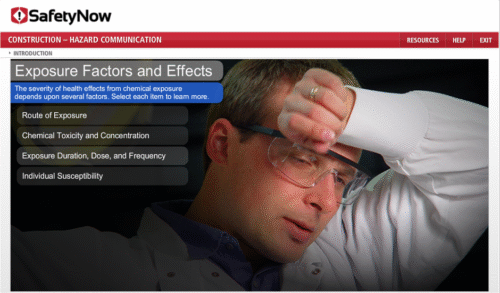 Thousands of workers are harmed each year from chemical exposure. This course helps employees explain the purpose and of the Hazard Communication Standard, identify chemical hazards, and read and understand SDS’s, chemical labels and symbols.
 -
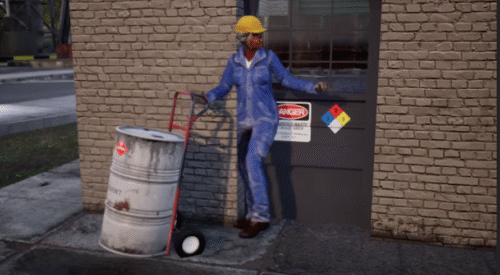
 This course covers the three classifications of waste generators under RCRA, examples of hazardous, universal and potentially hazardous waste, labeling, storage, disposal, transportation and emergency requirements for hazardous waste.
 -
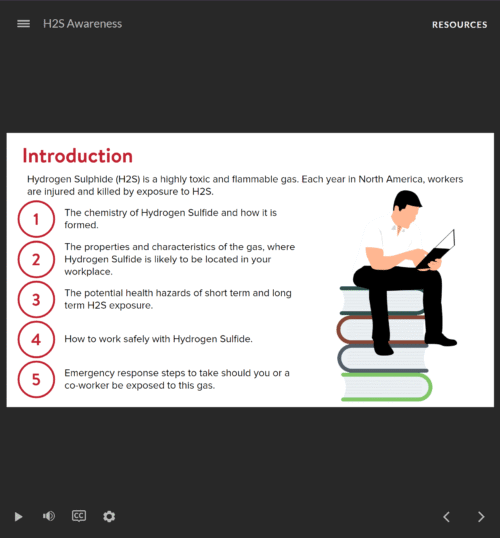
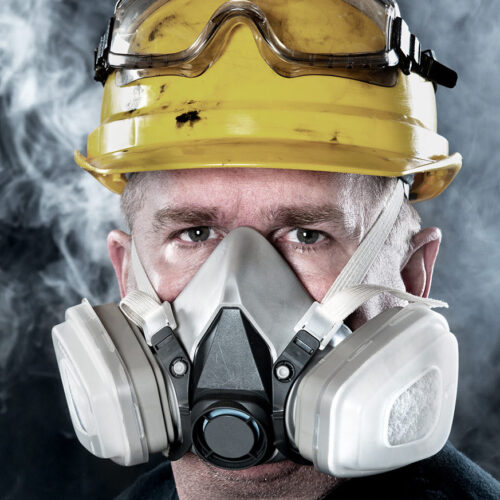 In this course you’ll learn about the chemistry of Hydrogen Sulfide and how it is formed, the properties and characteristics of the gas, where Hydrogen Sulfide is likely to be located in your workplace, the potential health hazards of short term and long term H2S exposure, how to work safely with Hydrogen Sulfide and emergency response steps to take should you or a co-worker be exposed to this gas.
 -

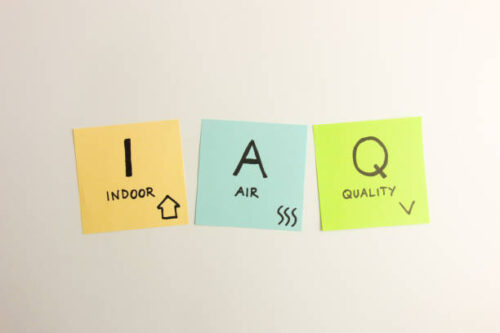 Poor IAQ doesn’t just make people uncomfortable—it can make them sick, hurt productivity, and even cause long-term health problems. This course will cover what it is, what affects it, and how to make it better.
 -
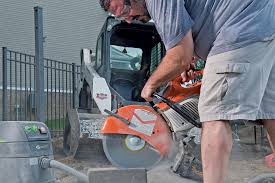
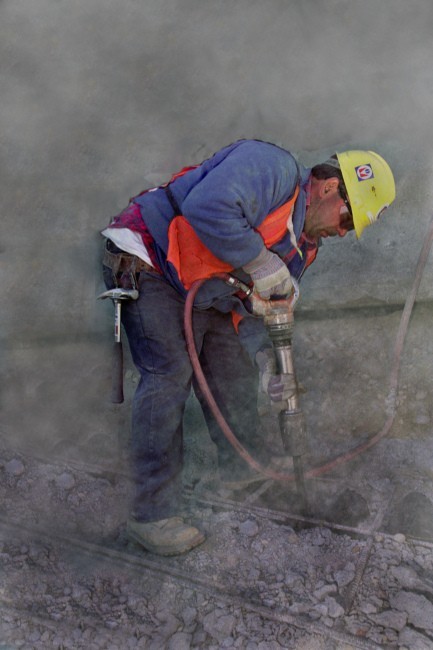 The Occupational Safety and Health Administration (OSHA) has issued a final rule to curb lung cancer, silicosis, chronic obstructive pulmonary disease and kidney disease in America's workers by limiting their exposure to respirable crystalline silica. The rule is comprised of two standards, one for Construction and one for General Industry and Maritime. This lesson is designed to improve the safety of workers in environments where silica exposure hazards exist by increasing employee awareness of this hazard and by demonstrating how the hazard can be recognized and addressed in the workplace.
Your success is our objective.
Our mission is to help as many organizations as we can to keep their employees safe & productive. We’ve been doing it for almost 100 years and hopefully, we’ll be doing it for 100 more.
Sign-up for our newsletter
Sign-up for our daily safety alert

USA office
428-1234 Main Street
Oroville, WA 98844
United States
Canada Office
104-2510 Government st
Penticton – V2A4W6
Canada
say hello
© 2012 - 2026© Copyright 2025 | SafetyNow | All Rights Reserved | Powered by Bongarde | Privacy Policy | Terms & Conditions