
-

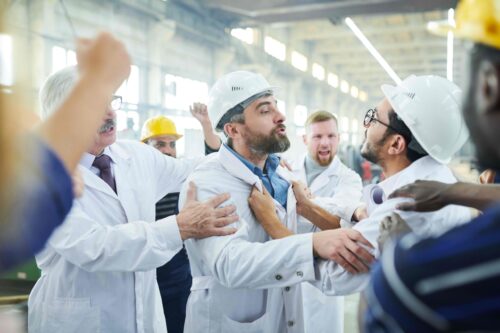 In this course, managers and employers will learn about the signs of workplace harassment, how to prevent incidents before they occur, and what your obligations are.
 -
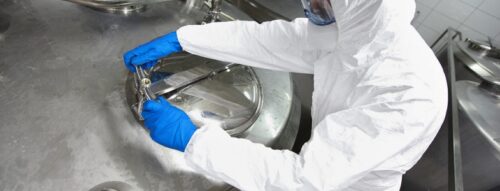
 Process safety management increases safety for the workforce. Now, small businesses with limited resources might use other ways to decrease the risks associated with hazardous chemicals in the workplace, but development of a process safety management program is the operating standard. An effective process safety management program requires employers to compile a written process information resource. This information enables workers to identify and understand the hazards posed by processes that involve highly hazardous chemicals.
 -
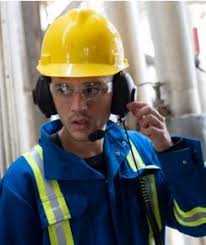
 You don’t need numbers to know that radio communication saves lives. Think of how vital radio communication is to the ship that’s sending out a distress call, or for the airplane experiencing technical issues, or for the first responders to a natural disaster. Or, what about people working in isolation in high-risk work environments, like corrections personnel, or a team of backcountry firefighters? A functional radio communications system can mean the difference between life and death. When time is of the essence and someone needs immediate medical attention, a radio carries the promise of a better outcome, so it is important to understand how they work and what they can and cannot do, and what rules govern the use of these systems.
 -

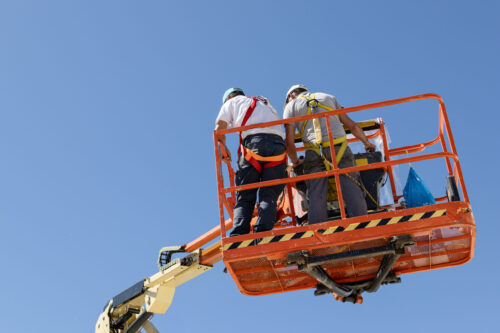 Operating aerial lifts safely requires preventive maintenance and conditioning of machinery, as well as a lot of considerations before even turning on the key, because the majority of aerial lift accidents happen because of a lack of training or inattention.
 -
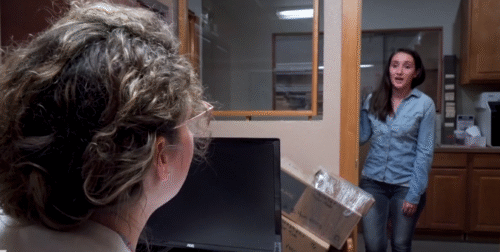
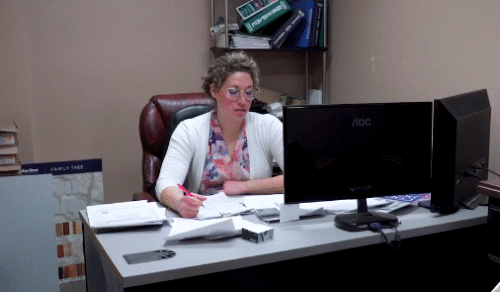 This lesson teaches how to report an incident of sexual harassment and how to empower victims and witnesses to report the incident through the reassurance that they are not alone, and that they are protected by law from retaliation by their employer or the harasser.
 -
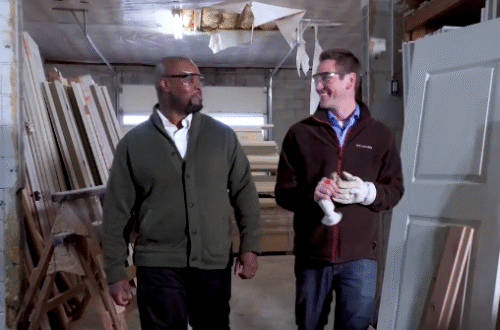
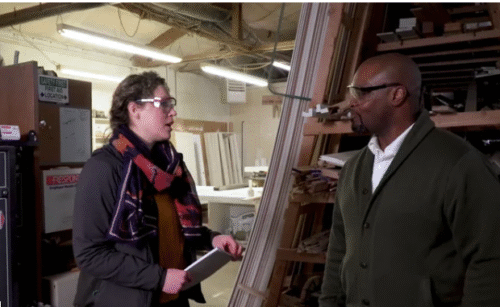 In management, you have to have a plan for addressing sexual harassment in the workplace, and you should provide training on at least an annual basis, because sexual harassment is, first, a crime, but it is also an expensive one that threatens the viability of your operation. Sexual harassment incidents trouble the work environment by establishing a negative environment that can ruin working relationships, lower productivity, result in costly administrative actions and even more expensive litigation. You need protect your employees from sexual harassment and educate them on the explicit policy, encouraging them to report violations freely.
 -

 This lesson informs you of the liabilities and consequences associated with sexual harassment and other types of harassment in the workplace. Additionally, it covers how to respond when harassment occurs, the aspects of a harassment investigation, the dangers of retaliation, and the steps both employees and management must take in order to prevent sexual or other types of harassment.
 -
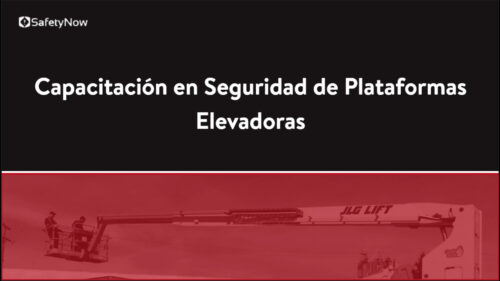
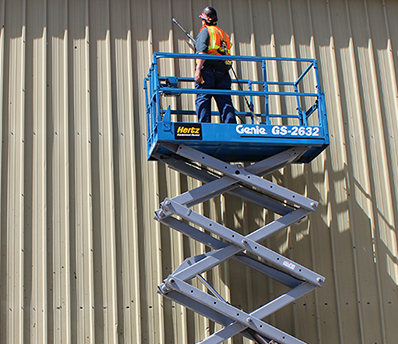 Close to 30 deaths are related to aerial lifts each year. The goal of this course is to enable learners to identify the basic types of aerial and scissor lifts, hazards associated with their use, inspection criteria, and safe work practices. (Spanish version)
 -
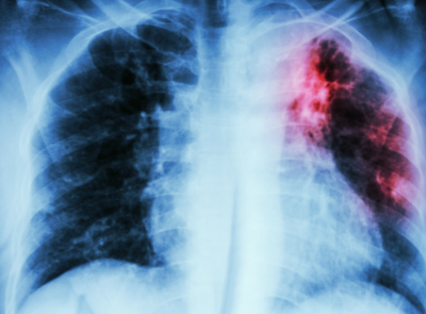
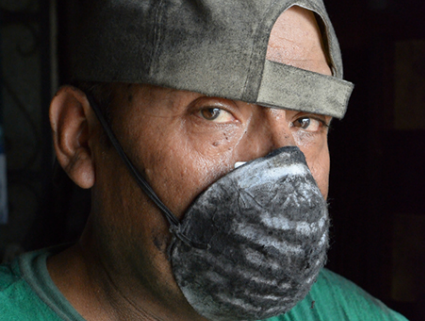 Asbestos is an incredibly dangerous material that has caused thousands of deaths. In this course, learners will be trained to understand the dangers of exposure and inhalation of asbestos as well as how to minimize exposure of the toxic material.
 -
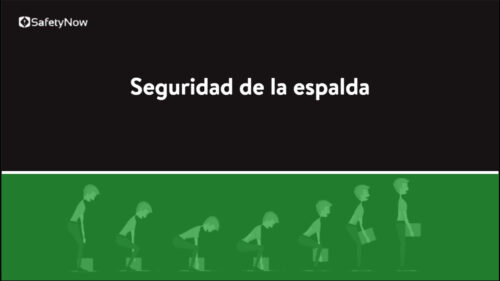
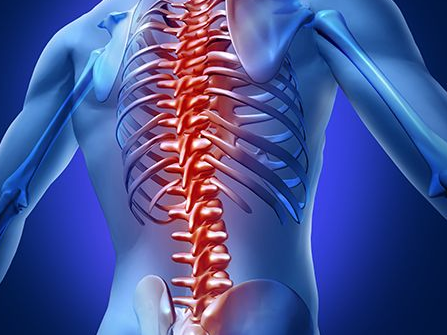 This course covers back safety principles, risk factors for back injury, and tips for maintaining a healthy back, including stretching techniques, to help reduce or prevent work-related back injuries, unnecessary pain and mobility issues. (Spanish)
 -
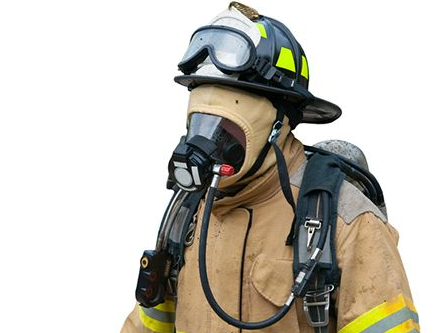
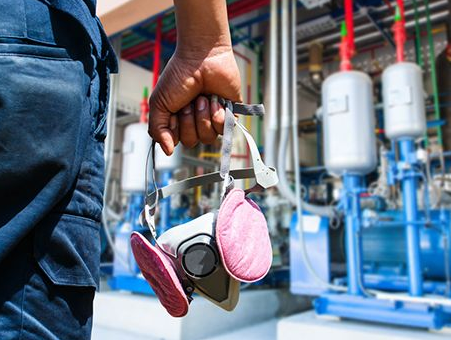 By the end of this lesson employees will know types of respiratory hazards and possible health effects, ways to minimize or eliminate hazards, qualifications for respirator use, types of respirators, selecting the right one, and proper respirator care.
 -
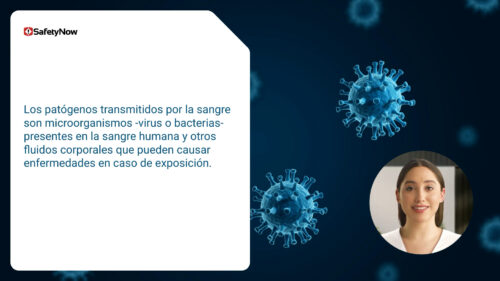
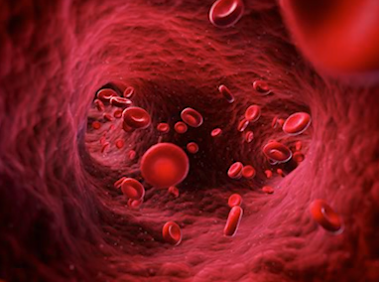 This course teaches employees how to identify common bloodborne pathogens in the workplace, how they are transmitted, engineering and work practice controls used to prevent contact with, and infection from, body fluids, and what to do if exposure occurs. (Spanish Version)
Your success is our objective.
Our mission is to help as many organizations as we can to keep their employees safe & productive. We’ve been doing it for almost 100 years and hopefully, we’ll be doing it for 100 more.
Sign-up for our newsletter
Sign-up for our daily safety alert

USA office
428-1234 Main Street
Oroville, WA 98844
United States
Canada Office
104-2510 Government st
Penticton – V2A4W6
Canada
say hello
© 2012 - 2026© Copyright 2025 | SafetyNow | All Rights Reserved | Powered by Bongarde | Privacy Policy | Terms & Conditions