
-

 The purpose of this course is to enable CMV drivers to recognize undesirable driving behaviors, hazardous conditions, safe driver responsibilities, desired driving behaviors, and how to respond to potential roadway hazards.
 -
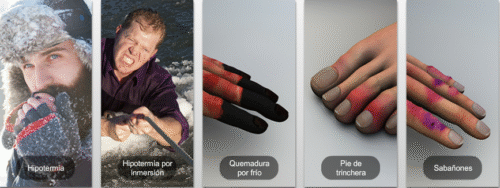
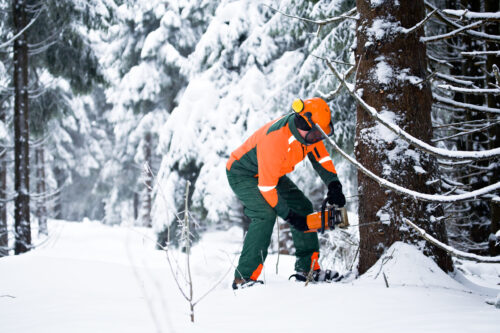 The goal of the course is to create awareness of the hazards inherent to working in cold environments. Additionally, the course identifies the nature, symptoms and treatment of cold stresses and precautions employees should take to protect themselves.
 -
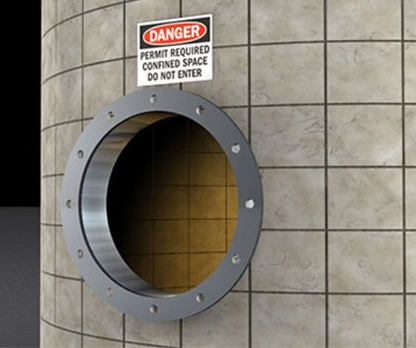
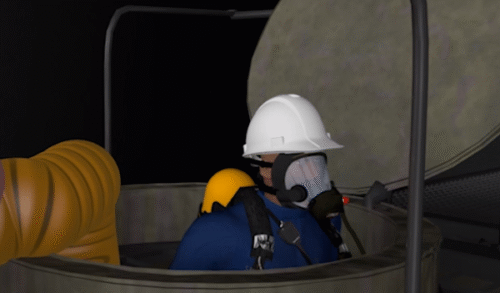
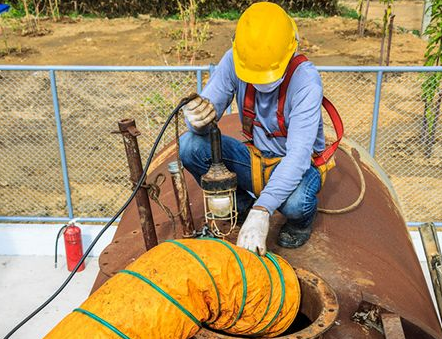
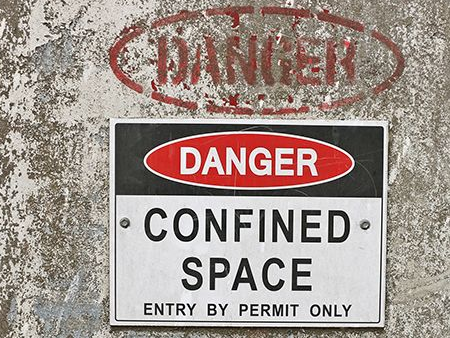 Upon completion, learners will be able to identify characteristics, examples, and hazards of confined spaces, differences between permit-required and non-permit-required confined spaces, and requirements of a permit-required confined space entry program.
 -
 The goal of the course is to create awareness of the hazards inherent to working in cold environments. Additionally, the course identifies the nature, symptoms and treatment of cold stresses and precautions employees should take to protect themselves.
 -
 Knowing how to perform CPR could be the difference between life and death. This course covers how to respond to a cardiac or respiratory emergency using CPR or abdominal thrusts and tips on CPR safety for youth.
 -
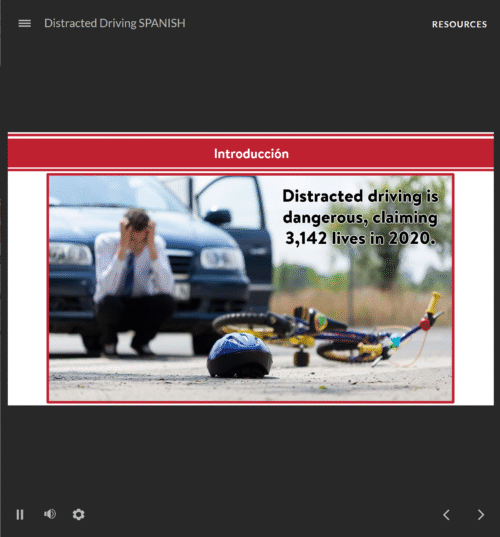 After completion, learners will be able to define distracted driving, describe why drivers take driving risks, identify three types of distracted driving, describe the consequences of distracted driving, and identify techniques for driving safely. (Spanish)
 -
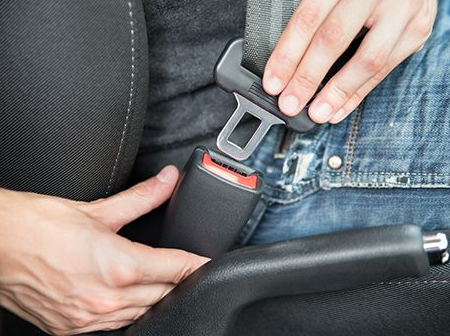 This course looks at what it takes to become a safer more aware driver, by providing tools to identify driving hazards, actions to reduce the risk of vehicle accidents, and what to do in an emergency. (Spanish Version)
 -
 To enable employees to reduce workplace accidents involving electricity by learning to identify electrical hazards, take proper control measures and follow safe work practices, and response actions in the event of shock or fire.
 -
 This course covers emergency action plans and emergency response procedures, alarm systems, emergency exit routes, natural disasters, and other emergency situations such, violence, and hazmat spills.
 -
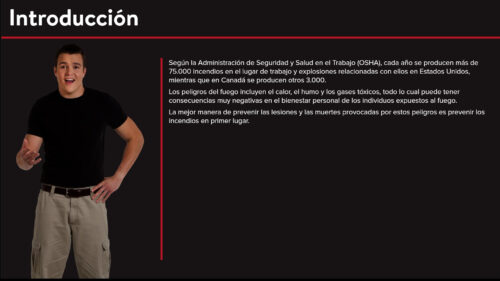
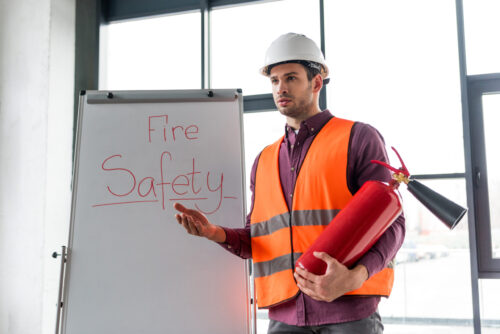 This course covers, the elements and dangers of fire, regulatory requirements for fire prevention plans, housekeeping guidelines for fire prevention, emergency exits and their components, and actions to take in response to a fire alarm.
 -

 Knowing how to respond appropriately when an injury happens, with Basic First Aid, could be the difference between life and death. This course covers response to common first aid emergencies, such as breathing emergencies and broken bones.
 -
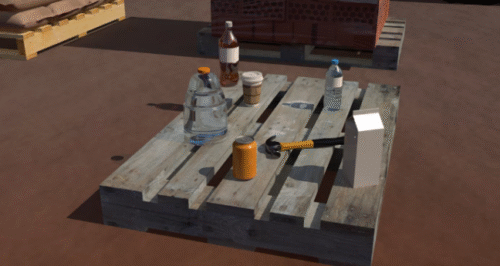
 After completing this course, learners will be able to recognize and respond to poisoning, chemical splashes, hot and cold emergencies and other environmental emergencies.
Your success is our objective.
Our mission is to help as many organizations as we can to keep their employees safe & productive. We’ve been doing it for almost 100 years and hopefully, we’ll be doing it for 100 more.
Sign-up for our newsletter
Sign-up for our daily safety alert

USA office
428-1234 Main Street
Oroville, WA 98844
United States
Canada Office
104-2510 Government st
Penticton – V2A4W6
Canada
say hello
© 2012 - 2026© Copyright 2025 | SafetyNow | All Rights Reserved | Powered by Bongarde | Privacy Policy | Terms & Conditions