
-

 After completing this course, learners will be able to explain initial responder responsibilities, identify legal and ethical issues related to being a first responder, and explain when it is appropriate to move injured patients and how it should be done. (Spanish Version)
 -
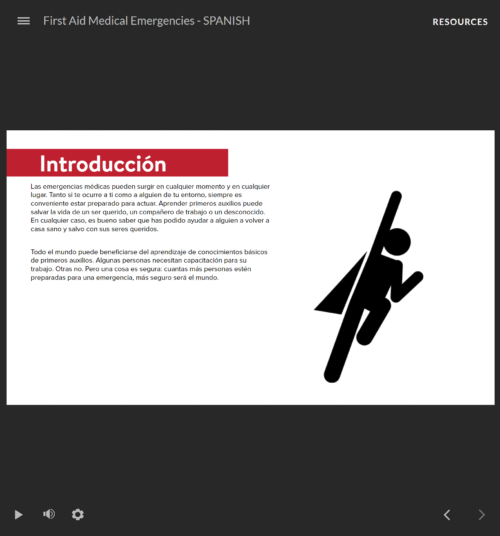
 The purpose of this course is to educate employees on how to appropriately respond to medical emergencies such as respiratory distress, diabetes, hypoglycemia, seizures, fainting and stroke.
 -
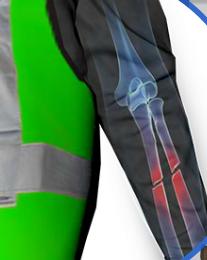
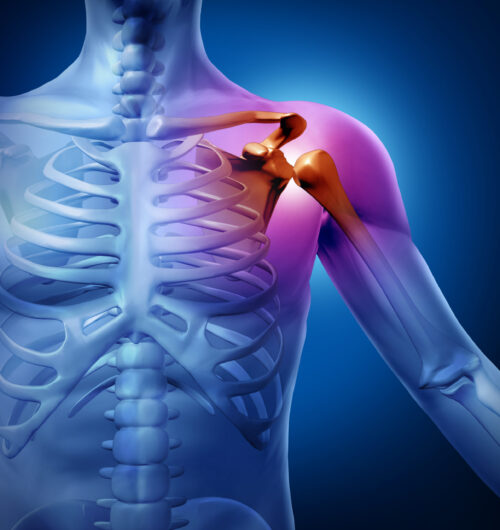 This course identifies how to respond to musculoskeletal injuries, including fractures, sprains, joint dislocations, and injuries to the head, neck and spine.
 -
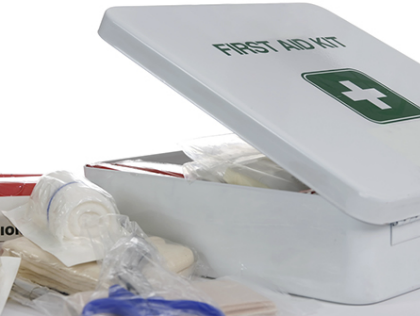
 This course covers how to respond to trauma related soft tissue emergencies including cuts, puncture wounds and impaled objects injuries, burn injuries and electrical injuries.
 -

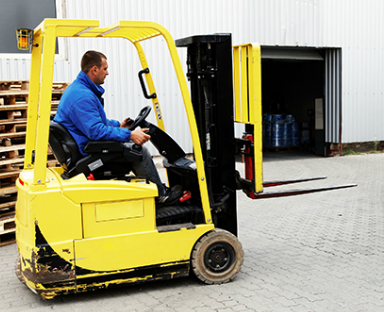 Before operating a forklift, it is essential that operators know the basics about forklift safety and operating. Part one in a six-part program covers the fundamentals of operating a forklift.
 -

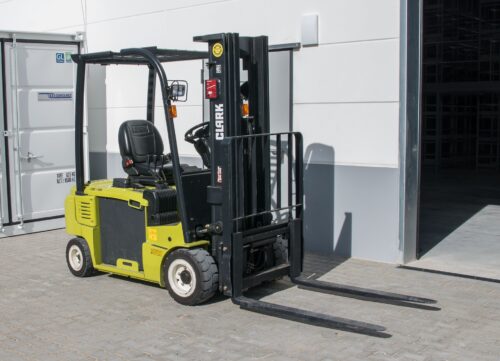 Forklift tip-overs and unstable loads are dangerous. This course covers forklift stability and capacity principles, the stability triangle and its importance in safe operation, and other principles of safe forklift operation.
 -
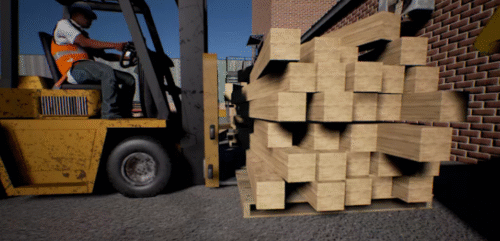
 Upon completion, learners will be able to describe procedures for safe load handling, including how to safely pick up, travel with, unload and stack a load, including the safest way to travel up and down ramps with or without a load.
 -
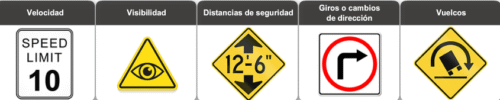
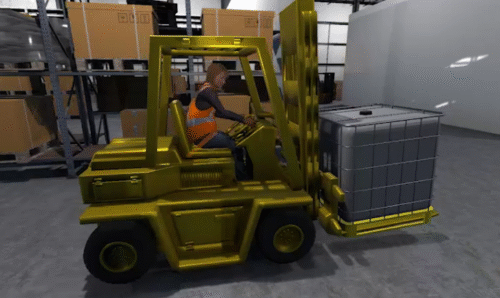 This course covers safe driving practices for forklift safely, including how to recognize hazardous driving conditions, safe practices for working around pedestrians, and safe work practices on loading docks.
 -

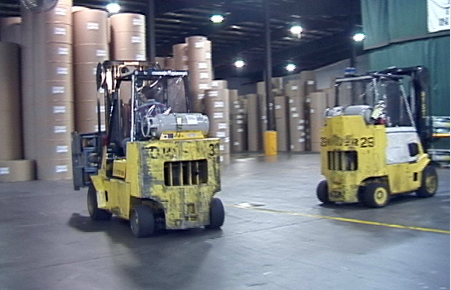 Upon completion, learners will be able to recall how to properly leave a forklift after use, general rules for safe operation, and what to do in a fall or tip over.
 -
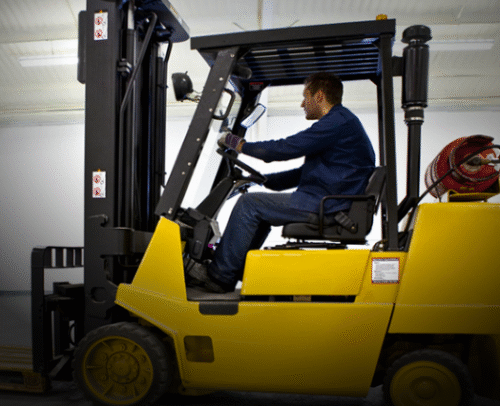
 This course covers forklift inspection criteria, and procedures for maintenance, refueling and recharging units.
 -

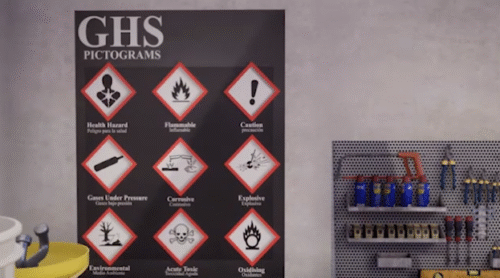 This course details the purpose of a hazard communication program and Safety Data Sheets, physical and health hazards of chemicals, labels and warnings used to identify chemical hazards, and information and training that should be supplied by an employer. (Spanish Version)
 -

 Employees will be able to recognize different types of tools, including manual, electric, pneumatic, hydraulic, liquid-fueled, powder-actuated, and abrasive wheel tools, identify hazards of use, and recall safe work procedures for each type of tool.
Your success is our objective.
Our mission is to help as many organizations as we can to keep their employees safe & productive. We’ve been doing it for almost 100 years and hopefully, we’ll be doing it for 100 more.
Sign-up for our newsletter
Sign-up for our daily safety alert

USA office
428-1234 Main Street
Oroville, WA 98844
United States
Canada Office
104-2510 Government st
Penticton – V2A4W6
Canada
say hello
© 2012 - 2026© Copyright 2025 | SafetyNow | All Rights Reserved | Powered by Bongarde | Privacy Policy | Terms & Conditions