
-

 Creating a diverse and inclusive workplace is not only the "right" thing to do, but it can also benefit businesses in many ways. This course will cover the importance of cultural inclusion, the 8 components of an inclusive workplace and how to develop an inclusive work culture.
 -

 This course covers how to handle tough conversations in a way that produces a better outcome and get what you need from conversations while keeping relationships intact.
 -
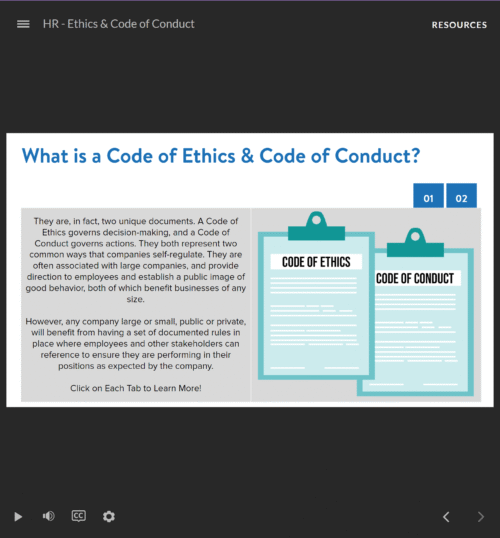
 This course covers the differences and similarities between a code of ethics and code of conduct. It covers tips on making ethical decisions and how to avoid being unethical at work.
 -
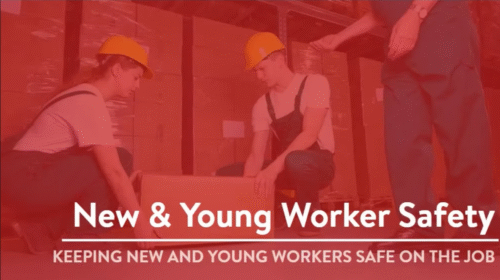
 Workers of all ages can be injured at work, but young and new workers may be more at risk. Injuries can result from inadequate training, orientation, and supervision; inexperience; and lack of awareness of workplace rights and responsibilities. This course will review risks , rights and responsibilities and refusing unsafe work.
 -
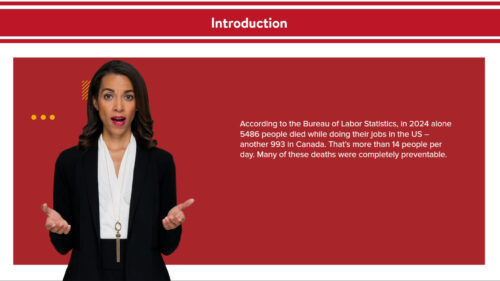

The safety culture of an organization can be improved only by demonstrating clear commitment by management with visible leadership. The key to implementing a positive safety culture is the involvement and cooperation of workers. Another way to create a positive safety culture is Health and Safety empowerment.
-
 This course will help you understand the return-to-work (RTW) requirements under OHS and/or workers’ comp law and what you can do to comply with those requirements and help injured or ill workers rejoin the workforce in as smooth a transition as possible.
 -

 In this course, we discuss the reasons you may need to terminate an employee and the steps that can help you prepare for and conduct an employee termination in the most effective and professional way.
 -

 In this course, we will define cross-cultural communication, consider its basic elements, and have a look at the cultural barriers to successful communication. In the end, we will provide you with seven tips for improving cross-cultural communication at the workplace.
 -
 Après avoir terminé ce cours, vous pourrez: Décrivez comment évaluer initialement et répondre de manière appropriée à une urgence médicale, y compris les procédures à suivre pour répondre à une victime consciente ou inconsciente. Expliquez les responsabilités du répondant initial et identifiez les problèmes éthiques et juridiques liés à son rôle de répondant initial. Expliquez en quoi consiste et ne convient pas de déplacer une personne blessée ou malade et comment la positionner correctement en attendant l'arrivée du SPU. Reconnaissez les symptômes du choc et expliquez comment réagir face aux personnes en état de choc.
 -
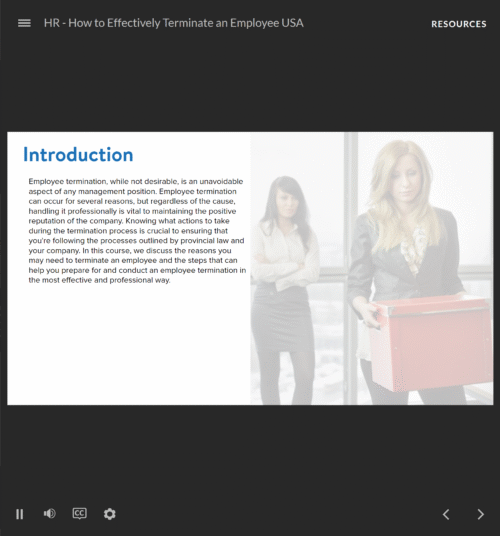
 In this course, we discuss the reasons you may need to terminate an employee and the steps that can help you prepare for and conduct an employee termination in the most effective and professional way.
 -
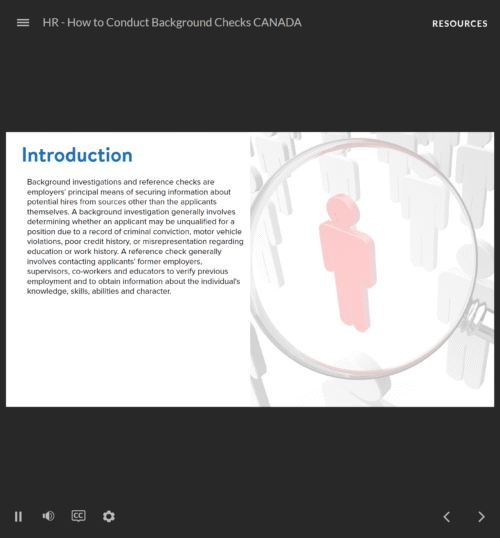
 A background investigation generally involves determining whether an applicant may be unqualified for a position due to a record of criminal conviction, motor vehicle violations, poor credit history, or misrepresentation regarding education or work history. This Canadian specific course covers why a background check is necessary, types of background checks and best practices.
 -
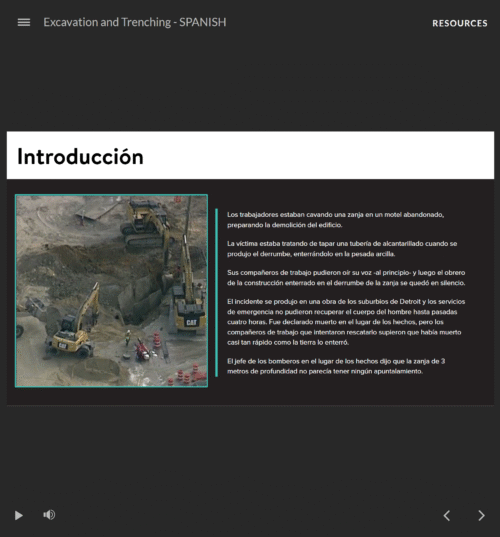
 Los trabajos de excavación y zanjas matan a más de 50 trabajadores al año. Los empleados aprenderán a identificar los riesgos de excavación y zanja, las prácticas de trabajo seguras y los sistemas de protección, así como a recordar los requisitos de protección contra derrumbes diseñados para mantener a los trabajadores seguros.
Your success is our objective.
Our mission is to help as many organizations as we can to keep their employees safe & productive. We’ve been doing it for almost 100 years and hopefully, we’ll be doing it for 100 more.
Sign-up for our newsletter
Sign-up for our daily safety alert

USA office
428-1234 Main Street
Oroville, WA 98844
United States
Canada Office
104-2510 Government st
Penticton – V2A4W6
Canada
say hello
© 2012 - 2026© Copyright 2025 | SafetyNow | All Rights Reserved | Powered by Bongarde | Privacy Policy | Terms & Conditions