
Find a Specific Course
-
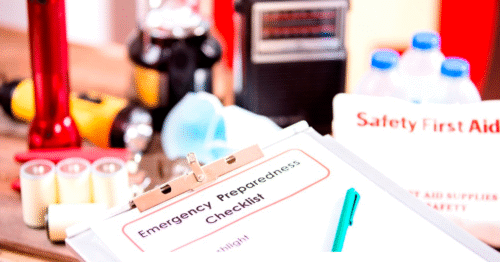
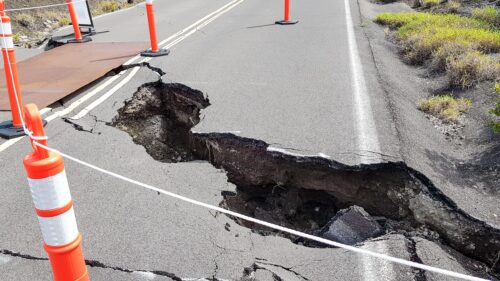 This lesson provides information on the dangers of earthquakes in the workplace and the actions you should take to prepare in advance of a quake. It also teaches you what to do during and after a quake to reduce the risk of injury.
-
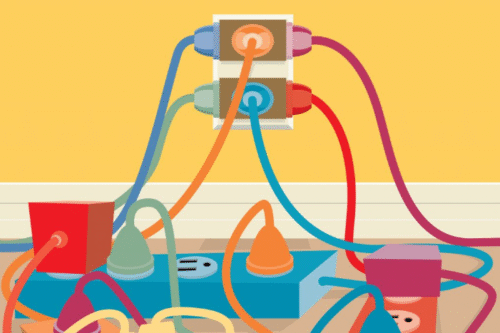
 The goal of the lesson is to provide an overview that prepares workers to work safely with and around electricity. This lesson does not address arc-flash hazards and controls, lock-out/tag-out procedures, or high voltage (220V or 440V) electrical safety.
-

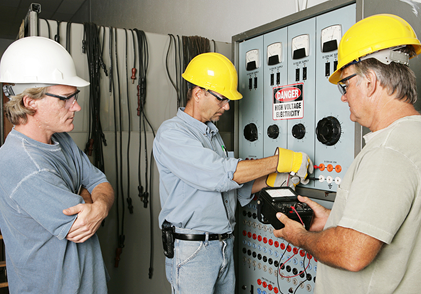 Electrical safety training is important and often required workplace safety training. Electrical safety training does not make you or your employees a licensed electrician. Rather it teaches you limitations as an unlicensed person and how to identify unsafe conditions so you don’t become a statistic. Electricity is everywhere, so reliable and useful these days that it is often taken for granted, and it is somewhat shocking how little is actually understood about its properties by the general public, another reason why electrical safety training is important.
-
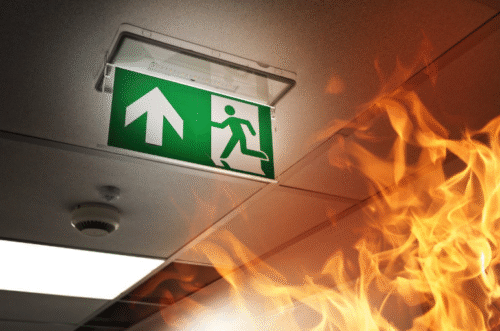
 This lesson creates awareness about the dangers of fire and other emergencies, provides an overview of the requirements for emergency action and fire prevention plans, and touches on best practices for responding to alarms and practicing preparedness through drills. This lesson does not cover how to prepare for hazardous waste material emergencies or responses such as cleanup.
-
 This course will cover how important knowing where your companies eyewash or safety shower is, how they work, how to use them and what to do after.
-

 This lesson discusses the issues and consequences of fatigue, complacency, and stress in the workplace and provides guidance on techniques employed to mitigate these issues and their effects on worker performance and safety.
-

 The purpose of this course is to learn to identify common workplace hazards to the hands, learn about methods and devices used to prevent hand injuries and be able to describe the differences between various types of gloves used in the workplace.
-
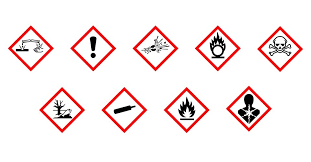
 The goal of this lesson is for employees to recognize and understand how to identify chemical hazards using the GHS international classification of chemical hazards, label elements, and Safety Data Sheets. This lesson does not address the use of labels, markings or other communication methods that are employer or facility-specific and not within the scope of this lesson.
-
 This lesson will help you recognize the impact of noise on your hearing, the warning signs of hearing loss, and the noise exposure limits that necessitate hearing protection. This lesson will also introduce you to the types of hearing protectors, including their benefits and proper use, and address your responsibilities in supporting your employer’s hearing conservation program.
-

 In this lesson, you will learn the hazards of hot work and the actions you can take to either prevent them or protect yourself from them and the injuries associated with this type of work.
-

 Hurricanes are dangerous and can cause major damage because of storm surge, wind damage, and flooding. They typically form around the equator, but hurricanes can hit much more Northern or Southern coastlines and any territory in the Atlantic or Pacific oceans. This course will help you understand how to prepare for a hurricane.
-
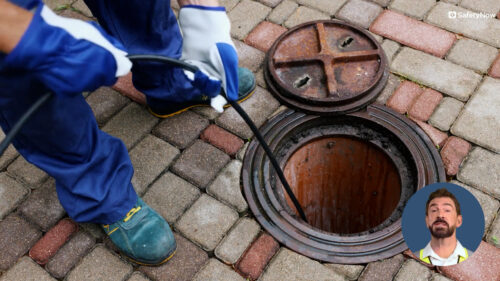
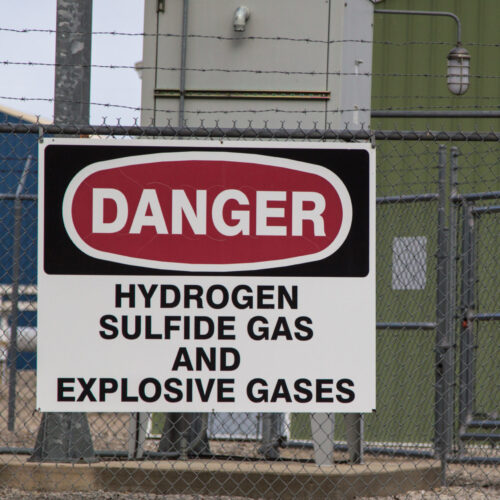 This course will talk about what hydrogen sulfide is, why it’s so dangerous, and how to protect yourself and your team.
-

 This lesson introduces the concept of ergonomics in a general industry setting, brings awareness to cumulative trauma disorders (CTDs), reviews warning signs, symptoms, and actions to take, and identifies ergonomics principles that can help reduce the occurrence of injury in the first place
-

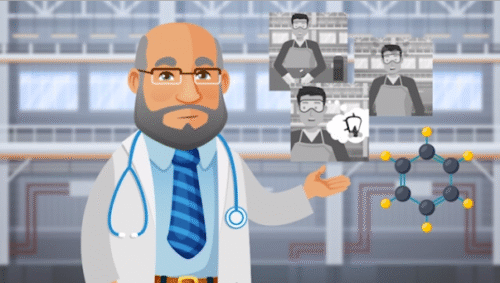 Benzene is subtle, invisible, and its most devastating effects often show up years later. This course will take a deep dive into benzene: what it is, where it hides, what it does to your body, and how we can protect ourselves.
-

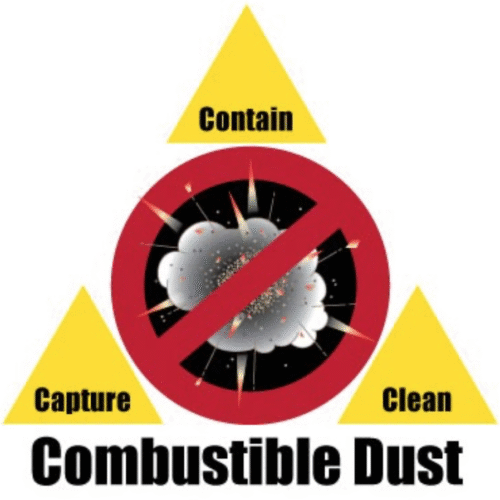 This lesson is designed to improve the safety of workers in environments where combustible dusts may be encountered by increasing employee awareness of this hazard and by demonstrating how the hazard can be recognized and addressed in the workplace.
-

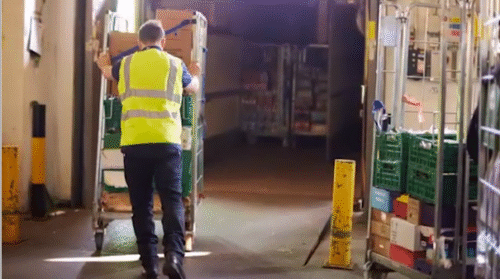 This course is all about loading dock safety: understanding the risks, the human stories behind accidents, and the habits that keep you safe when everything around you is moving at high speed.
-
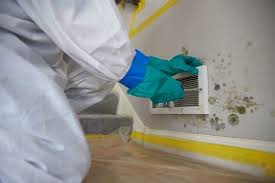
 The goal of this lesson is to provide awareness of the hazards of mold and mildew and to instruct the learner on the actions to take if the presence of, or suspected exposure to, mold has occurred.
-
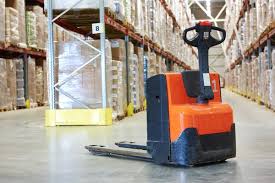
 Common hazards associated with pallet jack operation include falling objects (struck by hazards). Loads can fall, and operators can too. If you move a loaded pallet jack too quickly, over uneven floors, or on inclines, the load may topple. You could be injured if the load falls, and the load and/or the workplace may be damaged. Straining to move a stuck pallet jack or failing to maintain control on an incline can cause the operator to slip and fall. This lesson focuses on the safe operation of both manual and powered hydraulic pallet jacks.
-

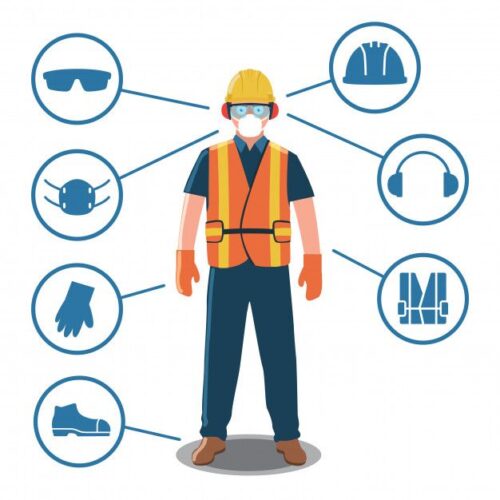 Personal safety is about the choices we make, moment by moment, that keep us from getting hurt. It’s about awareness, habits, and the mindset of putting safety first no matter where you are or what job you do.
-
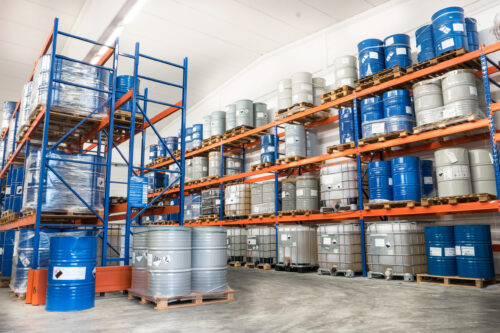 Every workplace stores materials—boxes, chemicals, tools, pallets, raw supplies, finished goods. This course will cover why safe material storage matters, the hazards of unsafe storage, safe storage principles and more.
-
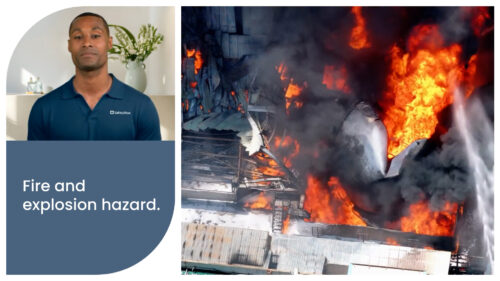
 This course will cover what spray finishing is, the hazards associated with it, controls and ventilation and more.
-

 As simple as using a ladder seems to be, the injury statistics indicate that it is one of the most abused tools we have. Accidents, particularly in the domestic setting, are frequently caused by overreaching or overextending from ladders to complete certain tasks, rather than doing the safe thing—climbing down and moving to a better access point. OSHA studies have shown that 100% of ladder related accidents could have been prevented using proper safety. The goal of this lesson is to provide awareness-level instruction on ladder hazards, safe use requirements, and best practices for all employees.
-

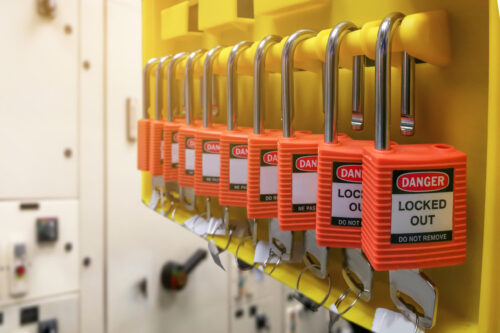 This Lock and Tag lesson creates awareness about the purpose of lock and tag procedures and employee roles and responsibilities related to lock and tag requirements. The lesson provides an overview of the hazards of uncontrolled energy sources and employer responsibilities and requirements for lock and tag. It also briefly outlines steps to protect workers.
-

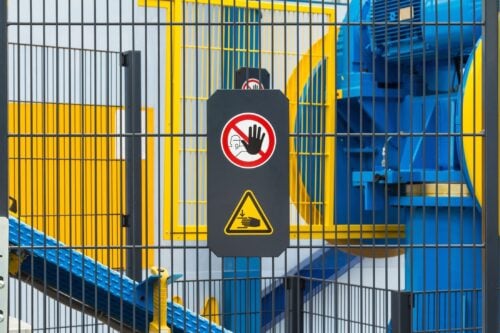 This lesson will help you recognize the hazards associated with machinery use, the methods of machine guarding, the different types of machine safeguards, and your responsibilities when working with guarded machinery.
-
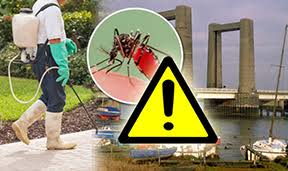
 In this lesson, you will learn about the most-common vector-borne diseases and how you can avoid exposure and infection. You will learn general treatment guidelines; however, any treatment-related information provided in this lesson does not constitute medical advice and is not a substitute for evaluation by a qualified healthcare professional.
-

 This lesson introduces the concept of ergonomics in a general industry office setting, brings awareness to the most common cumulative trauma disorders (CTDs), explores strategies to prevent or control CTDs and identifies the basics of an office ergonomics safety program.
-
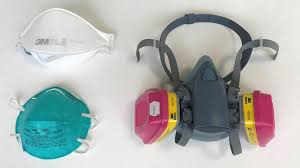
 The goal of this lesson is to teach workers the purpose of respirators and the preparations, maintenance and storage requirements. Workers will also learn when it is permissible to leave a respirator use area, the warning signs that a respirator is not functioning properly, and how respirator emergencies and malfunctions should be handled.
-

 The goal of this lesson is to enable learners to recognize basic types of supported and suspended scaffolds and their capacity requirements, their basic design and construction requirements, and the basic hazards posed by scaffold work and their controls.
-

 This lesson is designed as an intro/refresher to our Silica Hazards course in order to improve the safety of workers in environments where silica exposure hazards exist by increasing employee awareness of this hazard and by demonstrating how the hazard can be recognized and addressed in the workplace.
-

 Recent statistics from the Congressional Accountability Office of Compliance indicate that employee falls are private industry’s third leading cause of workplace fatalities. Around 600 workers die from a fatal slip, trip, or fall, each year. This overview of slips, trips, and falls helps reinforce good behaviors for workers on how and where to avoid areas where these hazards can reside.
-

 This lesson describes the hazards and warning signs of a tornado and the actions to take in the event of a tornado-related emergency.
-
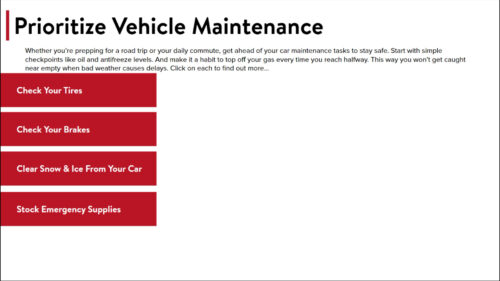
 The best way to stay safe during winter driving conditions is to avoid them altogether. If it’s possible for you to avoid driving in the snow and ice, stay put. But hunkering down isn’t always an option. If you have to hit the road when it’s snowy, icy, or wet, make sure both you and your car are prepared for safe winter driving.
-

 Recordkeeping isn’t just paperwork. It’s about transparency, accountability, and using information to make workplaces safer. This course will help you understand exactly what needs to be recorded, what doesn’t, how to do it correctly, and why it matters far beyond avoiding a fine.
-

 State regulations define sexual harassment as unwanted sexual advances, or visual, verbal or physical conduct of a sexual nature. This definition includes many forms of offensive behavior and includes gender-based harassment of a person of the same sex as the harasser. This course will cover important information for employees including What is Harassment in California, the Fair Employment and Housing Act, Title VII Civil Rights Act, the Ralph Act, Discrimination, What Constitutes Sexual Harassment and much more.
-
State regulations define sexual harassment as unwanted sexual advances, or visual, verbal or physical conduct of a sexual nature. This definition includes many forms of offensive behavior and includes gender-based harassment of a person of the same sex as the harasser. This course will cover important information for employees including What is Harassment in California, the Fair Employment and Housing Act, Title VII Civil Rights Act, the Ralph Act, Discrimination, What Constitutes Sexual Harassment and much more.
-
 Upon completing this course, learners will be able to identify laws for employee absences, recall FMLA requirements, and requirements for advance notice, medical certification, returning to work and provisions for job benefits and job protection.
Thousands of Courses Conveniently Packaged
Sure you can move forward a la carte and buy individual courses, but our experts have built bundled packages to meet your industry specific needs.

ADDITIONAL PACKAGES
Bear Essentials $39.95
Canadian Heavy Truck Weight & Dimensions $24.95
CMVs – Safe Driving Behavior for Commercial Motor Vehicles $24.15
H2S Awareness Online Training $49.95
Joint Health & Safety Committees & Representative Online $124.95
Managing Safety Self-Awareness $39.95
Safety Orientation 101 $99.95
SPECIALTY/FRENCH: Transport des Marchandises Dangereuses $36.00
Construction, General & New York City
Research shows that 70% of development happens on the job. At SafetyNow we work hard to make sure you have the engaging training to upskill your employees.
Our entire reason for getting up in the morning is to help as many businesses & organizations as we can to empower their employees & make sure they are safe, healthy, & productive.
Our expansive Employee & Manager Library includes training courses to train new employees, existing employees, new managers, experienced managers, and members of the HR & Executive teams.
Courses cover everything from benefits & leave, compensation, discrimination, health & safety, HR management, performance & termination, and employee communication. You can get access to the entire collection of 83 elearning courses for the starting price of $3.85/learner/month including access to our award-winning Learning Management Platform.
List of Courses
- 8 Steps to Effective One-on-Ones
- 8 Steps to Effective Team Meetings
- Coaching Skills: Captain
- Coaching Skills: Contributor
- Coaching Skills: Introduction
- Coaching Skills: Key Player
- Effective Performance Reviews: Effective Performance Reviews for Managers
- Effective Performance Reviews: Handling a Bad Performance Review
- Effective Performance Reviews: Preparing for Your Review
- Effective Performance Reviews: Self Assessments
- Going from Coworker to Boss
- Managing Different Generations
- How to Be an Ally
- Adopting Inclusive Behaviours at Work
- Working With Different Generations: Introduction to the Working Generations
- Working With Different Generations: Working Together Across Generations
- Working With Different Generations: Working With Baby Boomers
- Working With Different Generations: Working With Gen X
- Working With Different Generations: Working With Gen Z
- Working With Different Generations: Working With Millennials
- Anti-Harassment: 01. Anti-Harassment for Everyone
- Anti-Harassment: 02. Anti-Harassment for Managers
- Anti-Harassment: 03. Writing and Communicating an Anti-Harassment Policy
- Anti-Harassment: 04. Investigating Complaints
- Anti-Harassment: 05. History of Sexual Harassment
- Avoiding Discrimination: 5 Keys
- Diversifying Your Leadership Team
- Employee Recognition
- Fix That Bad Attitude
- Managing for Accountability
- Managing for Engagement: Creating Engagement
- Managing for Engagement: Engagement Matters
- Managing Interns
- Managing People Offsite
- Managing the Grapevine
- Managing Time Versus Energy
- Managing Up: The Art of Managing Your Manager
- Microaggressions
- Understanding Harassment: 01. Introduction to Understanding Harassment
- Understanding Harassment: 02. Understanding Offenders
- Understanding Harassment: 03. Understanding Targets
- Understanding Harassment: 04. Bystander Training
- Understanding Harassment: 05. Warning Signs
- Understanding Harassment: 06. Healthy Culture
- Understanding Harassment: 07. Understanding Harassment in Review
- Analyzing Employee Performance: Can-Do, Will-Do: Actions
- Analyzing Employee Performance: Can-Do, Will-Do: Introduction
- Analyzing Employee Performance: Can-Do, Will-Do: Questions and Tips
- Anti-Racism for Leaders: Allyship
- Anti-Racism for Leaders: Creating and Implementing Policy
- Anti-Racism for Leaders: Diversity-Focused Recruitment
- Anti-Racism for Leaders: Evaluating Your Organization
- Anti-Racism for Leaders: Maintaining Momentum for Leaders
- Anti-Racism for Leaders: Mitigating Bias
- Anti-Racism: Calling Out and Calling In
- Anti-Racism: Colorblindness Doesn’t Work
- Anti-Racism: Learning to Listen and Listening to Learn
- Anti-Racism: Maintaining Momentum
- Anti-Racism: The Anti-Racism Continuum
- Ethics for Managers
- Inheriting Underperformers
- Introverts and Extroverts: Introduction to Introverts and Extroverts
- Introverts and Extroverts: Managing Extroverts
- Introverts and Extroverts: Managing Introverts
- Leadership of a Diverse Group
- Mistakes Leaders Make: Six Wrong Ways to Manage
- Motivating Won’t Do’s
- Psychological Safety for Employees
- Psychological Safety for Managers
- Staying Positive
- Successful Delegation
- Tokenism
- Unconscious Bias: 01. What is Unconscious Bias?
- Unconscious Bias: 02. Types of Unconscious Bias
- Unconscious Bias: 03. Overcoming Unconscious Bias
- Working Well with Everyone: 01. What is Diversity?
- Working Well with Everyone: 02. The Diversity Continuum
- Working Well with Everyone: 03. The Mistake of Stereotyping
- Working Well with Everyone: 04. The Power of Inclusion
- Working Well with Everyone: 05. Diversity = Greatness
- Career Change
- Creating a Work Plan
- Isms: Avoiding Items in the Workplace
- Isms: Exploring Isms in the Workplace
- Isms: Overcoming Isms in the Workplace
- Mistakes Leaders Make: Impedership
- Neurodiversity: Misconceptions About Neurodiversity
- Neurodiversity: Working With Neurodiverse People
- Privilege: Privilege Scenarios
- Privilege: Using Your Privilege
- Privilege: What is Privilege?
- Supervising a Pronoid
- You Get What You Manage – The Pygmalion Effect
- Customer Service Basics
- Productivity Through Praise
- Professional Boundaries: Confidentiality
- Professional Boundaries: Conflicts of Interest
- Professional Boundaries: Nepotism and Favoritism
- Professional Boundaries: Office Romances
- Rethinking Brainstorming
- Riding Along with Sales Reps
- Running a Sales Meeting
- S.C.A.M.P.E.R.
- Territory Management: Managing a New Territory
- Privacy Course Module – HIPAA (US)
- Mental Health Awareness and Support in the Workplace
SafetyNow offers all 31 of the Essential full length courses in French.
SafetyNow currently offers over 250 Spanish safety training courses, and is adding over 20 more each month.

ERGO Inc.’s elearning suite is a fully narrated, engaging, and dynamic suite of 5 core office ergonomic modules. Your employees will learn to correctly set themselves up at a computer workstation and how to use proper body mechanics when performing work functions. Becoming more knowledgeable with their workstation and work tasks will allow employees to be more productive, efficient and safe. It has been designed to deliver critical ergonomic and injury prevention information for office staff anywhere, at anytime.
E-learning provides:
- Animated graphics, audio narration, motion and a flexible format
- Available 24/7 self-paced learning
ERGO Inc.’s Office Ergonomic E-learning modules include:
- Desktop and laptop ergonomic set up and stretching for computer users
- Proper selection of an office chair & 7 steps to properly adjust an office chair
- ERGO Tips for mousing, laptop use, keying and safe handling
- The ergonomics of sit/stand workstations
- How to implement the RIGHT kind of stretching and wellness procedures for ergonomic health
eLearning Administrative Features
You can buy a single module, or all 5 as a suite.
ERGO Inc.’s E-learning solutions can be delivered through SafetyNow or your own LMS. Volume pricing options are available. All courses are guaranteed to work on any LMS and any device.
Download the 2021/2022 ERGO Consulting Services Brochure
Download a Laptop Ergonomics Toolkit Card
Download a Mental Health & Ergonomics Toolkit Card
Utah Food Handlers Training $35.34
ANSI-Accredited Food Handler Training $11.10
Ohio Person-in-Charge Certification in Food Protection $17.99
Florida Food Safety First $13.89
California Food Handler – San Diego County Specific Course $13.89
Texas Food Manager Certification $48.61
Ohio Manager Certification in Food Protection $118.05
Food Safety Manager Principles Training $118.05
ANSI Food Manager Certification Exam with Online Proctor $89.25
Washington D.C. On-Premises Alcohol Awareness Training $34.72
Vermont Alcohol Server Awareness Program (ASAP) $34.72
Washington D.C. Off-Premises Alcohol Awareness Training $34.72
South Carolina Alcohol Seller-Server Training (On-Premises) $20.84
Indiana Alcohol Server Training (On-Premises) $27.76
Indiana Alcohol Server Training (Off-Premises) $27.76
Wyoming Alcohol Seller-Server Training $34.72
Vermont Alcohol Server Awareness Program (ASAP) Off-Premises $34.72
Illinois BASSET Training $20.82
Tobacco Seller Training $13.81
Virginia Alcohol Seller-Server Training $18.05
South Carolina Alcohol Seller-Server Training (Off-Premises) $20.84
North Carolina Responsible Alcohol Seller-Server Training $20.82
Maine Alcohol Seller-Server Training (On-Premises) $13.87
Alcohol Seller-Server Training (On-Premises) $10.41
Alcohol Seller-Server Training (Off-Premises) $10.41
Tennessee Responsible Wine Vendor $20.84
Oregon Alcohol Server Education $20.84
Tennessee Responsible Beer Vendor $16.66
Michigan Alcohol Seller-Server Training $27.76
Oklahoma Alcohol Seller-Server Training $15.20
TABC Certification Training – Alcohol Seller-Server $15.34
Arizona Title 4 Management Training (Off-Premises) $48.61
Arizona Title 4 Management Training (On-Premises) $48.61
Arizona Title 4 Basic Training (Off-Premises) $22.15
Arizona Title 4 Basic Training (On-Premises) $29.16
Utah E.A.S.Y Off-Premises Alcohol Sales Training $23.61
Bowling Green Kentucky Alcohol Seller-Server Training $34.72
Lexington-Fayette Kentucky Alcohol Seller-Server Training $34.72
New York ATAP Certification (Off-Premises) $27.76
New York ATAP Certification (On-Premises) $27.76
Utah On-Premise Alcohol Seller-Server Training $34.16
Wisconsin Responsible Beverage Server Training $20.76
California Responsible Beverage Server Training (RBS) $64.14
TABC SELLER SERVER TRAINING $64.14
