
-
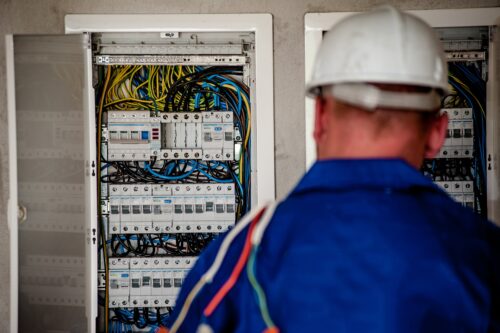 The purpose of the NFPA standard 70E is to provide a standard for safety-related work practices for the construction, maintenance, operation and demolition of electrical systems in the workplace. This Overview covers awareness-level information for workers who have jobs or assignments that bring them into contact with electrical hazards, such as arc flash and electric shock. Completing this lesson does not designate an employee as an electrically-qualified worker.
 -
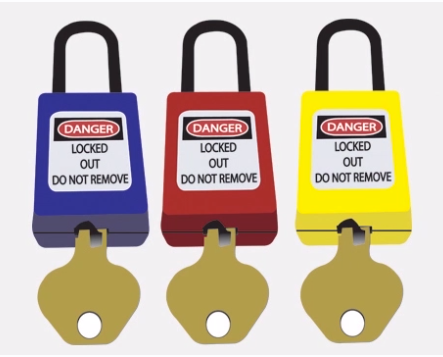
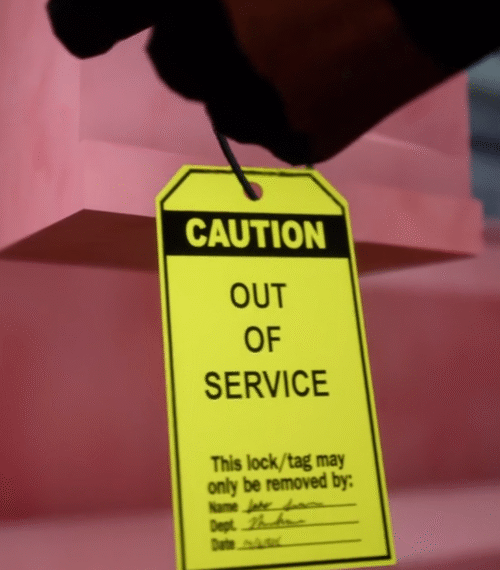 To protect you from the serious hazards posed by the unexpected start-up or operation of equipment during repair or maintenance, the Occupational Safety & Health Administration (OSHA) has established a Control of Hazardous Energy standard. It is commonly referred to as the lockout/tagout (LOTO), or energy isolation standard. This standard requires the application of markings and barriers that prevent unauthorized persons from energizing and operating equipment.Energy in any form becomes hazardous when it builds to a certain level or is released inadvertently or unexpectedly. Lockout/tagout refers to specific practices and procedures that safeguard employees from the unexpected startup of machinery and equipment, or the release of hazardous energy, during service or maintenance activities.
 -
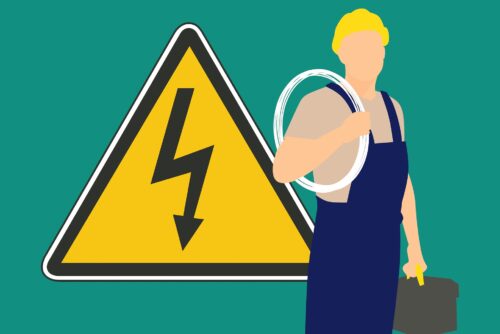 The purpose of the NFPA standard 70E is to provide a standard for safety-related work practices for the construction, maintenance, operation and demolition of electrical systems in the workplace. This Overview covers awareness-level information for workers who have jobs or assignments that bring them into contact with electrical hazards, such as arc flash and electric shock. Completing this lesson does not designate an employee as an electrically-qualified worker.
 -

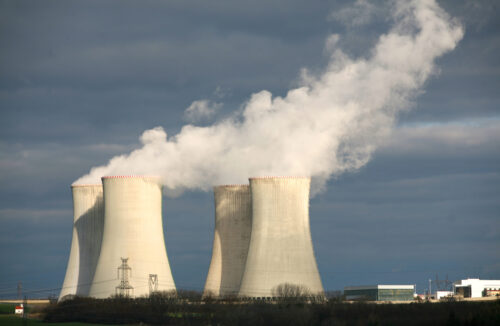 Criticality safety is about managing materials so they stay subcritical—safe, stable, and harmless. This course will talk about - what it means, why it matters and how you play a role in preventing accidents.
 -
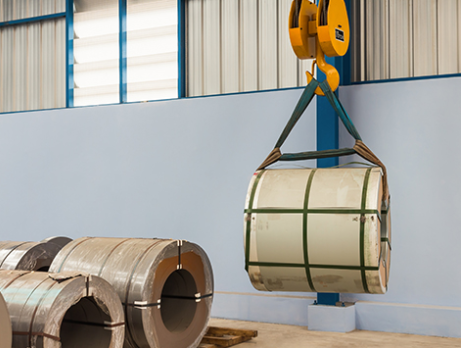
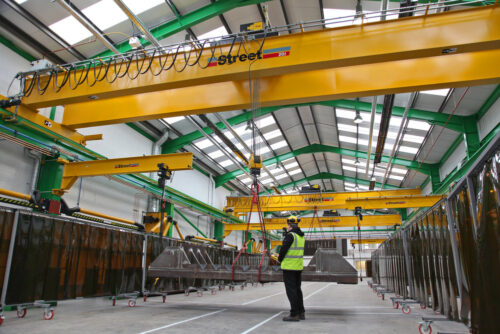 This course covers overhead crane hazards, safety devices, pre-op inspection and testing, and procedures for load rigging and lifting. As well as, safe work practices for unattended equipment, working around others, and disconnecting power to equipment.
 -
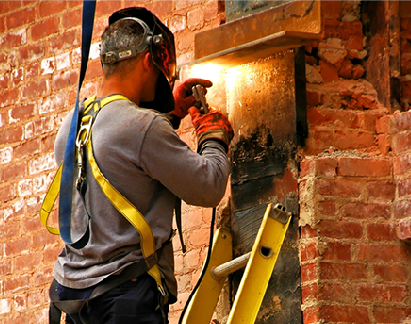
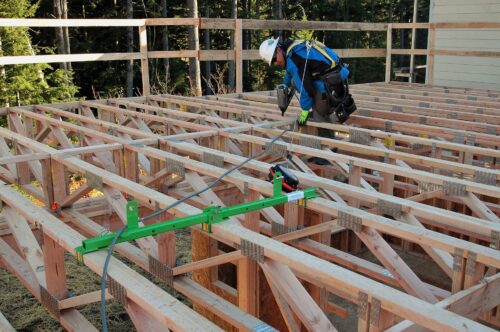 It is important to understand how personal fall arrest systems work and what behaviors are required to use them safely. It is of course good practice to visually inspect these systems and physically test them prior to use.
 -
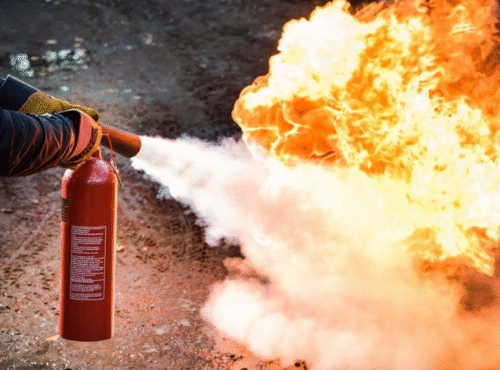
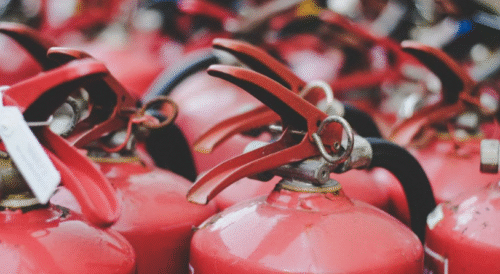 Fire extinguishers are one of the most reliable ways to put out fires in the workplace. Fire extinguishers are not a requirement, but if employers choose to provide them they must train workers in general fire extinguisher use to comply with OSHA standards. OSHA states that if employers expect workers to use the fire extinguishers themselves, hands-on training must be provided.
 -
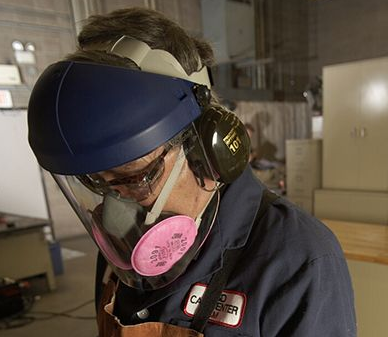
 Approximately 770 workers suffer face injuries on a yearly basis; most don't wear proper personal protective equipment (PPE) for face protection Proper personal protective equipment (PPE) is essential to any work environment for eye and face protection. The goal of this course is to show how to handle face and eye protection properly using personal protective equipment (PPE).
 -

 This course will cover the potential hazards in your workplace, what footwear to wear, the capabilities and limitations of footwear, how to check comfort, fit and support of footwear and how to clean, store and inspect your footwear.
 -
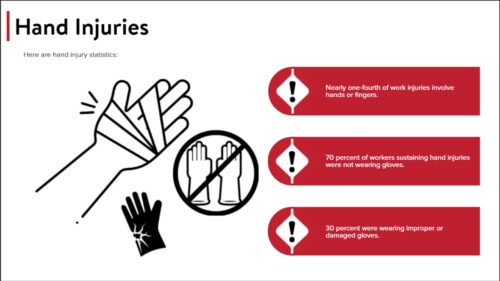
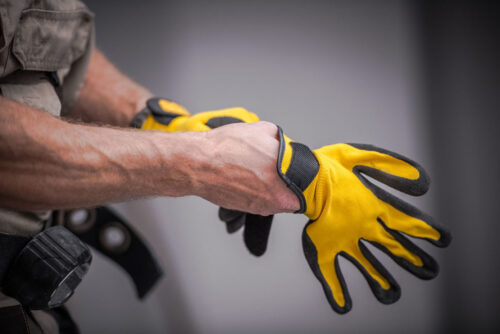 Can you put a price tag on the use of your hands? Some people don't realize the important of their hands until they aren't able to be used any longer. Hand injuries send a million workers to ERs each year, and hand injuries are the No. 2 leading cause of work-related injury and the most preventable through proper personal protective equipment (PPE).
 -
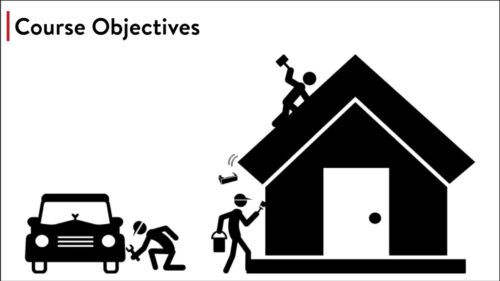
 If you are at risk for head injury at your workplace, you should wear the appropriate head protection. This course covers workplace head hazards, types of PPE for the head, and proper fit and care for head protection.
 -
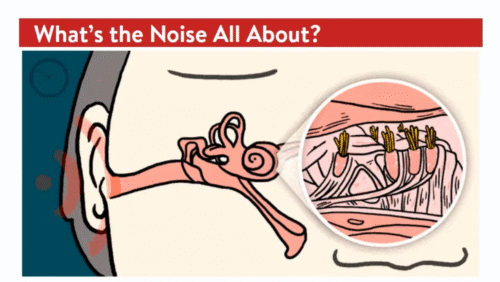
 This course will cover how hearing loss can occur, the different types hearing protection and recognize and use the proper hearing protection.
Your success is our objective.
Our mission is to help as many organizations as we can to keep their employees safe & productive. We’ve been doing it for almost 100 years and hopefully, we’ll be doing it for 100 more.
Sign-up for our newsletter
Sign-up for our daily safety alert

USA office
428-1234 Main Street
Oroville, WA 98844
United States
Canada Office
104-2510 Government st
Penticton – V2A4W6
Canada
say hello
© 2012 - 2026© Copyright 2025 | SafetyNow | All Rights Reserved | Powered by Bongarde | Privacy Policy | Terms & Conditions